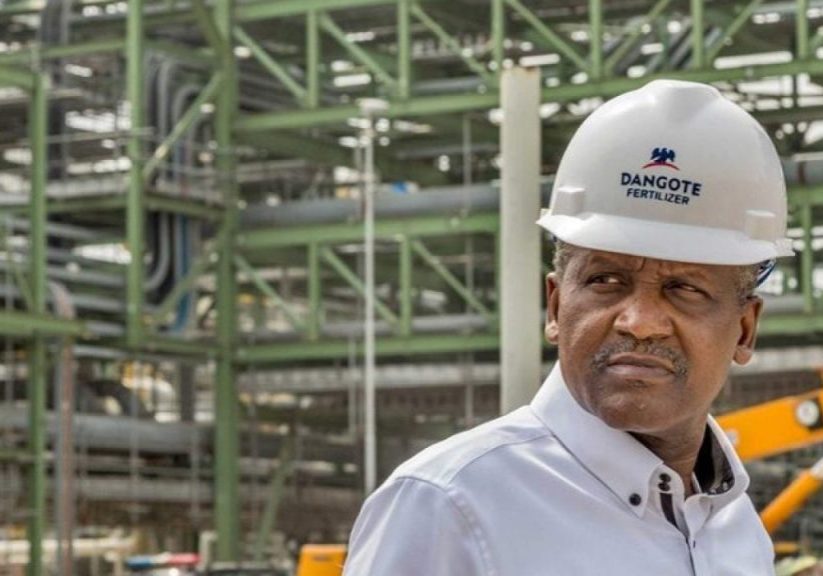
Nigerians will face another increase in petrol prices following Dangote Refinery’s announcement on Friday, March 20, 2026, that its gantry price has risen to N1,245 per litre from N1,175, effective March 21. This marks the fourth petrol price adjustment by the refinery in March 2026, a sequence linked to escalating geopolitical tensions in the Middle East.
The refinery stated the hike is a direct response to surging global crude oil prices. Brent crude has reached approximately $112 per barrel, while West Texas Intermediate hit $98, following the intensification of conflict involving Iran, the United States, and Israel. As Nigeria’s dominant refiner, Dangote supplied 61% of the nation’s domestic petrol in February 2026, meaning the price adjustment will immediately flow through to most retail pumps nationwide. Based on recent retail prices, this could push pump prices to between N1,331 and N1,400 per litre in cities like Abuja.
Industry analysts attribute the consistent rises to Nigeria’s exposure to international oil markets, despite the operational status of the 650,000-barrel-per-day Dangote facility. Professor Wumi Iledare, a petroleum economics expert, noted that in a deregulated market, domestic fuel pricing remains tethered to global crude dynamics. He emphasized that local refining reduces import logistics risks but does not insulate the economy from global price volatility. Professor Godwin Oyedokun of Lead City University echoed this, stating that dollar-denominated crude costs, exchange rate pressures, and a liberalized downstream sector ensure global shocks rapidly translate into domestic inflation and higher living costs.
Both experts cautioned against a return to broad fuel subsidies. Instead, they recommended targeted temporary relief for critical sectors like transportation and agriculture, alongside measures to stabilise the foreign exchange market and optimise the crude-for-naira arrangement. In the longer term, they stressed the need to boost refining competition, increase crude production, and invest in alternative energy and mass transit systems to reduce structural dependence on imported fuel.
The repeated price hikes underscore a new economic reality for Nigeria, where pump prices are increasingly determined by global market forces rather than domestic policy. While the Dangote Refinery has enhanced national processing capacity, its pricing demonstrates that energy security now depends as much on managing external volatility and diversifying the economy as on local refining output. For Nigerian consumers and businesses, the adjustment signifies a sustained period of elevated fuel costs, with immediate implications for transportation, goods, and overall inflation. The situation highlights the紧迫性 of implementing the recommended sectoral reforms to build resilience against future global oil price shocks.