The head of the International Energy Agency has warned that the global economy faces a “major, major threat” from the energy crisis triggered by the war in the Middle East, stating that no country will be immune if the disruption continues.
IEA Executive Director Fatih Birol, speaking in Canberra, Australia, drew parallels between the current situation and past energy shocks, including the 1970s oil crises and the market turmoil following Russia’s 2022 invasion of Ukraine. He characterised the present challenge as a compounded event. “This crisis, as things stand, is now two oil crises and one gas crash put all together,” Birol said, emphasising the severe and interconnected nature of the supply disruptions.
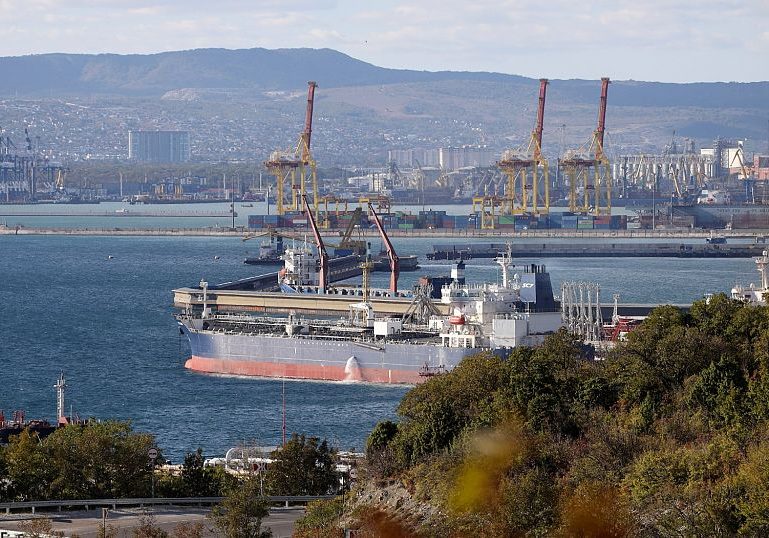
His comments come as military conflict has severely restricted shipping through the Strait of Hormuz, a critical chokepoint for global oil and gas. The United States has demanded Iran reopen the waterway, through which approximately 20 percent of the world’s petroleum shipments normally transit. The bottleneck has nearly halted all commercial petroleum tanker traffic, tightening supply in an already volatile market. This supply tension pushed U.S. benchmark crude oil to briefly touch $100 per barrel early Monday, underscoring the immediate economic pressure.
Birol provided specific detail on the physical damage, stating that at least 40 energy assets across nine countries in the region have been “severely or very severely” damaged by the fighting. This infrastructure loss compounds the strategic blockade, creating a dual supply crisis affecting both oil and natural gas markets.
The IEA chief stressed that the crisis’s reach would be universal. “No country will be immune to the effects of this crisis if it continues to go in this direction,” he stated, calling for coordinated international efforts to stabilise the situation. His warning highlights the acute vulnerability of the global energy system to geopolitical instability in key producing regions and the far-reaching economic consequences of prolonged supply constraints.