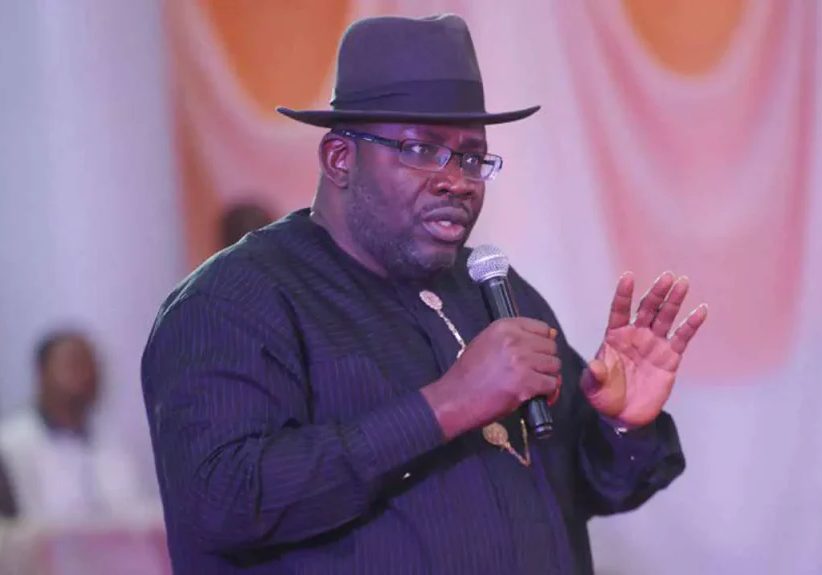
Nigeria’s Minister of Power, Adebayo Adelabu, has promised a significant improvement in national electricity supply within the next two weeks, despite persistent outages affecting most regions. The assurance was made during a Tuesday press conference reviewing the ministry’s performance over the past three years.
Adelabu directly linked the current unreliable power supply to a severe shortfall in gas delivered to the nation’s gas-fired power plants. He explained that gas suppliers are withholding supply due to substantial outstanding payments owed to them by generation companies. The minister also warned that geopolitical instability, specifically the war in the Middle East, could exacerbate these supply chain vulnerabilities.
TheChronic power disruptions have sparked public frustration and increased pressure on authorities to resolve the crisis. Nigeria’s grid relies heavily on thermal plants powered by natural gas, but this sector faces systemic challenges. These include inadequate gas feedstock, pipeline maintenance issues, ageing infrastructure, and persistent financial liquidity constraints within the power value chain. “These issues collectively impact both the quantity and quality of gas delivered to power plants, leading to underutilisation of installed generation capacity, increased outages, and inefficiencies in power production,” Adelabu stated.
To create a more resilient and expanded energy mix, the minister advocated for a major scale-up of renewable energy solutions. He specifically highlighted off-grid and mini-grid systems as cost-effective, sustainable alternatives that can increase access without immediate strain on the national grid. Furthermore, he called for integrating utility-scale solar, hydro, and other renewables into the main grid. This diversification, he argued, would reduce dependence on gas, lower overall generation costs, enhance energy security, and support climate change objectives. However, he acknowledged that achieving this requires investment in advanced grid monitoring, control systems, and systematic planning to manage the intermittent nature of renewables while maintaining stability.
In a separate development, Adelabu avoided confirming speculation about his political ambitions, particularly a potential run for the Oyo State governorship in 2027. He noted that President Bola Tinubu has given federal appointees until March 31 to resign if pursuing electoral office, adding that he still had time before that deadline and his focus remained on serving the nation.
The government’s pledge arrives amid a backdrop of severe economic challenges where unstable electricity hampers business operations and household welfare. While the two-week timeline offers a short-term benchmark, the minister’s long-term strategy centres on a structural shift towards renewables and resolving the gas sector’s financial logjam—issues that have consistently undermined Nigeria’s power generation capacity for years. The success of these proposed interventions will be critical to moving beyond periodic assurances and achieving a sustained enhancement in power supply.