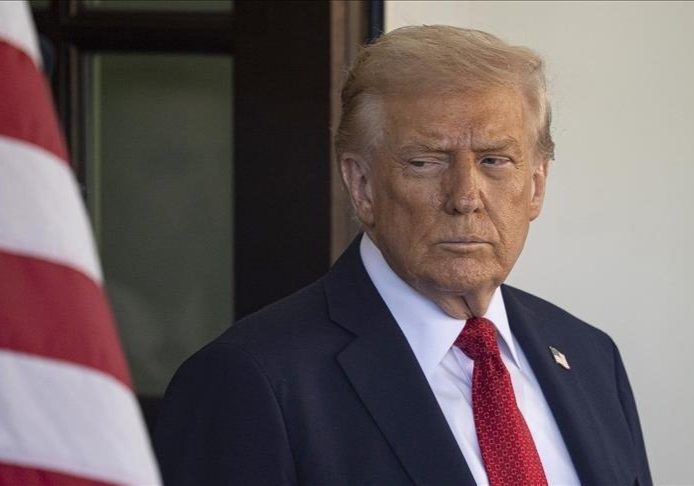
U.S. President Donald Trump has granted Iran a 10-day extension, until April 6, to reopen the strategic Strait of Hormuz, pausing planned U.S. military strikes on Iranian energy infrastructure. The decision follows what Trump described as “very good” progress in talks with Tehran, though Iranian officials have publicly denied direct negotiations.
The extension, initially requested by Iran for seven days, is framed by the U.S. as a goodwill gesture to allow diplomatic efforts more time. The Strait of Hormuz, a critical chokepoint for global oil shipments, has been a central focus of the crisis. Iran has constrained maritime traffic through the waterway, sparking international concern over energy security.
The current standoff stems from a conflict that escalated in late February after U.S. and Israeli strikes on Iranian targets, which prompted retaliatory attacks by Iran. While President Trump asserts negotiations are advancing toward de-escalation, persistent public skepticism from Iranian authorities underscores deep mutual distrust.
Global markets have reacted sharply to the instability, with oil prices rising and stock markets falling on fears of prolonged disruption. Analysts warn that sustained closure of the strait—a route for a significant portion of the world’s crude oil and liquefied natural gas—could have severe economic consequences. Although limited vessel passage has been reported recently, the waterway remains largely restricted.
The 10-day window now serves as a critical period for diplomacy. The U.S. has warned that if Iran fails to reopen the strait, renewed strikes on its energy infrastructure are likely. Both sides maintain hardened positions, leaving the path forward uncertain. The outcome of this brief pause will test whether negotiation can achieve what military pressure has not, with global energy supplies hanging in the balance.