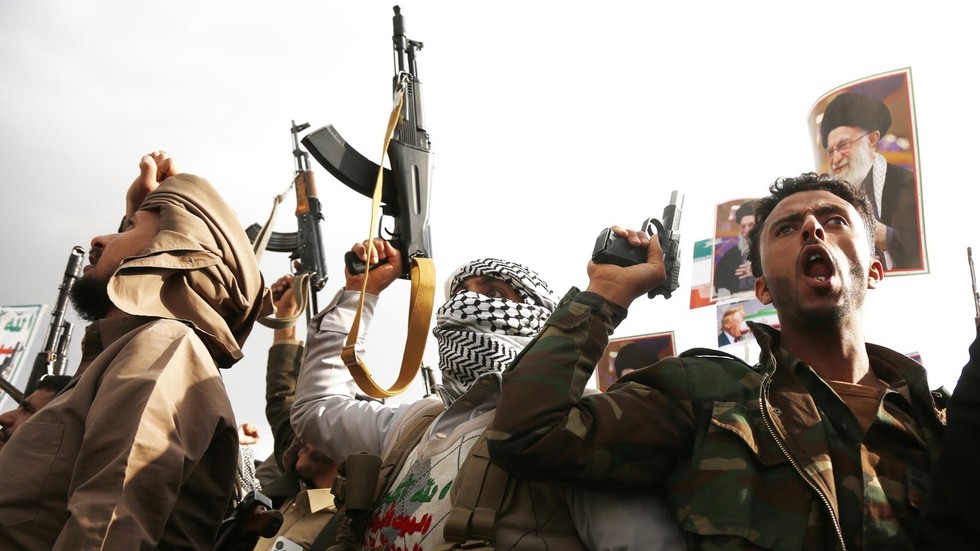
Yemen’s Houthi movement has formally entered the escalating conflict between Iran and Israel, announcing it has begun military operations against the United States, Israel, and their allies. The Houthi armed forces, which control the Yemeni capital Sanaa and the north, fired several ballistic missiles at Israel on Saturday, marking a significant expansion of the regional war.
The attacks were declared by Houthi military spokesman Brigadier General Yahya Saree, who stated the group is compelled to act due to ongoing escalation and cited attacks on infrastructure in Lebanon, Iran, Iraq, and Gaza. Saree warned that the Houthis would target any nation joining U.S. and Israeli strikes or using the Red Sea to attack Iran, declaring, “Our fingers are on the trigger.” The missile salvo was reportedly timed with operations by Iran and Hezbollah in Lebanon.
Israel’s military confirmed intercepting two missiles from Yemen and stated it is “preparing for a multifront war.” This latest strike follows a two-and-a-half-year campaign by the Houthis in solidarity with Palestinians in Gaza, during which they have launched over 130 ballistic missiles and numerous drones at Israel, resulting in one fatality and several injuries. The group has also repeatedly targeted shipping in the Red Sea and Gulf of Aden, disrupting a critical global trade route and sinking two vessels linked to Israel.
The Houthi campaign has previously triggered major commercial disruptions, forcing ships to detour around Africa’s Cape of Good Hope, increasing costs and delivery times. A significant intensification of these attacks threatens to further destabilize maritime security and energy markets. With the Strait of Hormuz effectively closed due to the U.S.-Israel war on Iran, Saudi Arabia has rerouted oil exports through the narrower Bab el-Mandeb Strait at the Red Sea’s southern entrance—a chokepoint already vulnerable to Houthi attacks.
Analysts warn that renewed Houthi assaults on this corridor could spike oil prices and broadly impact global supply chains. The group’s entry into the direct conflict underscores the risk of a wider regional war, linking the Gaza crisis to longstanding Yemeni hostilities and transforming maritime security in the Red Sea into a central front.