Oil prices climbed sharply and global equities fell on Monday as the Middle East conflict intensified following attacks by Yemen’s Houthi rebels on Israel, raising fears of a wider regional war and potential disruptions to energy supplies.
The Houthis claimed responsibility for launching cruise missiles and drones at Israeli targets over the weekend, marking a significant expansion of hostilities beyond the direct Iran-Israel confrontation. The attacks heightened concerns that shipping lanes in the Red Sea and the crucial Bab al-Mandab Strait could be disrupted, potentially affecting around 12 percent of global trade. In response, Saudi Arabia has begun rerouting oil exports away from the Strait of Hormuz, a chokepoint through which approximately 20 percent of the world’s liquefied natural gas and crude oil passes and which Iran has effectively closed.
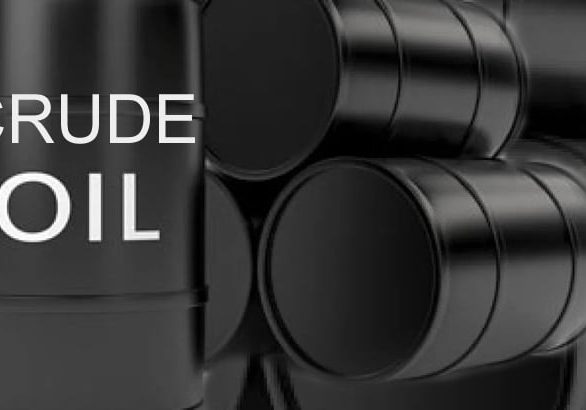
Brent crude oil futures rose by 3.2 percent to $116.15 a barrel, while U.S. West Texas Intermediate gained 3.0 percent to $102.61, reaching their highest levels since the current phase of conflict began. The surge was exacerbated by comments from former President Donald Trump, who told the Financial Times he would consider seizing Iran’s Kharg Island, a key oil export terminal. Although the U.S. administration stated it does not plan a full-scale invasion, the rhetoric added to market anxiety.
The prospect of prolonged conflict and higher energy costs dragged down stock markets worldwide. Asian indices were hit particularly hard, with Japan’s Nikkei 225 falling 4.6 percent and South Korea’s KOSPI down more than 3 percent. Major markets in Hong Kong, Shanghai, Sydney, and Southeast Asia also saw significant declines. The selloff followed a sharp drop on Wall Street last week after U.S. and Israeli strikes on Iranian nuclear facilities.
Analysts noted that the focus has shifted from the immediate supply shock to broader economic fallout. “The market is now reacting to higher crude pricing and towards the fallout in the economic consequences,” said Chris Weston of Pepperstone. He pointed to rising short-term inflation expectations, volatility in interest rate markets, and risks to corporate earnings. The potential for sustained disruption through the Bab al-Mandab Strait, combined with increased insurance costs, could further pressure oil prices and risk assets.
Diplomatic efforts continued, with Pakistan offering to host talks between the U.S. and Iran, while Iranian officials accused Washington of secretly planning a ground assault. The conflict, now in its fifth week, has introduced a new layer of geopolitical risk that extends beyond oil into fertilizers, petrochemicals, and metals, according to Skye Masters of National Australia Bank. “This is now not just about the price of oil,” she said.
The sharp market reaction underscores growing investor concern that the conflict may evolve into a protracted crisis with lasting implications for global inflation, trade flows, and economic growth.