Ukraine has postponed an EU inspection of the Druzhba oil pipeline for nearly two weeks, a delay diplomatic sources describe as lacking strategic clarity despite previous commitments to allow the technical review.
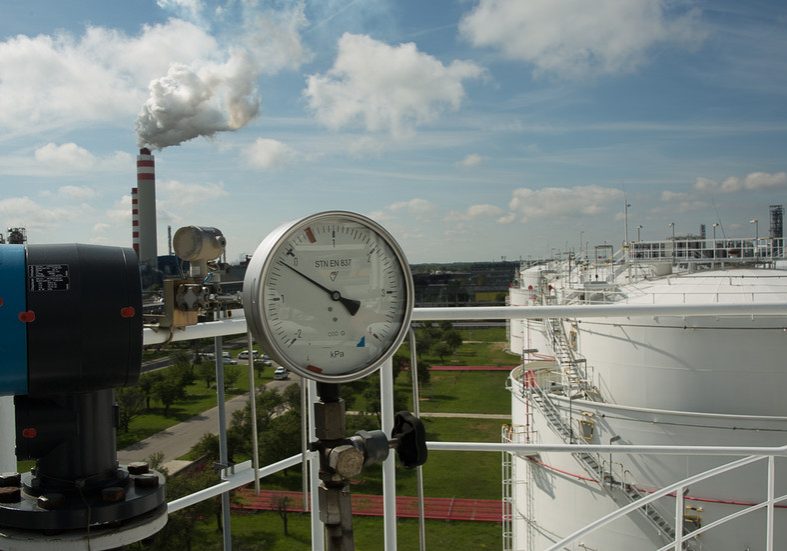
The pipeline infrastructure is designed to transport Russian crude through Ukrainian territory into Central Europe, primarily supplying Hungary and Slovakia. Kyiv maintains that recent Russian strikes damaged sections of the system, halting shipments. Moscow has denied responsibility for the disruption, while Hungarian officials contend that the operational pause stems from political decisions rather than verified infrastructure damage. An EU-funded assessment team has remained in Ukraine awaiting formal authorization to visit the site and examine the alleged damage.
European leaders confirmed in early March that Ukrainian authorities would grant access to the auditors. However, the continued wait has drawn criticism from unnamed EU officials, who characterize the stalling as unclear and counter to regional cooperation. Diplomats emphasize that on-site verification is necessary to determine the pipeline’s actual condition. Restoring oil transit through the Druzhba route could also help unblock a €90 billion European financial assistance package for Ukraine, which remains delayed due to objections from Budapest.
The standoff carries significant diplomatic and economic implications across the region. Slovak officials have indicated that an unresolved pipeline dispute may complicate forthcoming European Union measures, including potential sanctions against Russia and procedural steps related to Ukraine’s membership accession. Ukrainian President Volodymyr Zelenskyy has criticized European pressure regarding the inspection, while Russian authorities have accused Kyiv of leveraging energy distribution as a geopolitical instrument.
Regional stakeholders now await Kyiv’s formal decision on granting site access. Resolving the pipeline dispute remains a critical factor in stabilizing energy supplies across Central and Eastern Europe and determining the trajectory of broader European diplomatic and financial discussions.