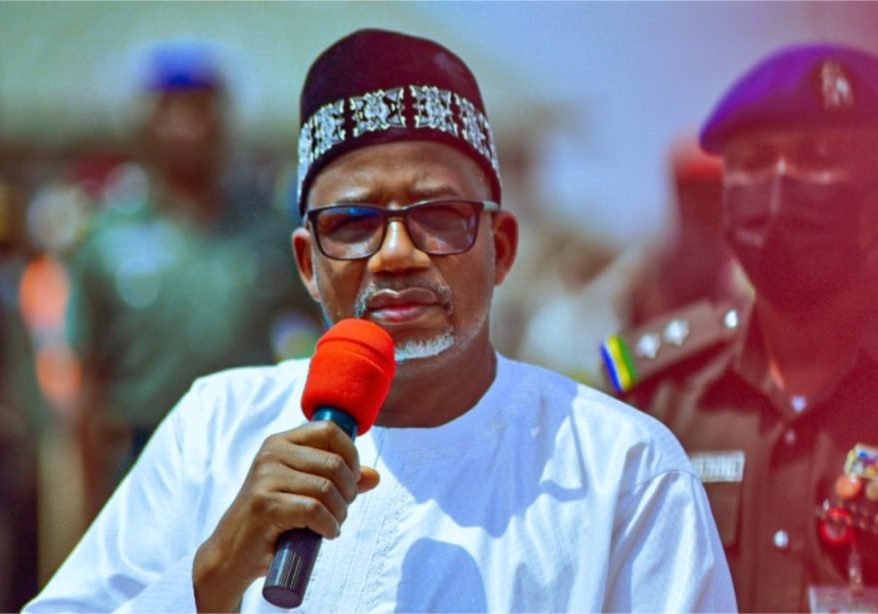
As Nigeria prepares for the 2027 general elections, Rivers State political figure Kingsley Wali has identified former Labour Party presidential candidate Peter Obi as the most viable opposition challenger to President Bola Tinubu, while cautioning that a successful national campaign will require strategic coalition-building.
Wali observed that Obi has attracted significant backing from young voters, first-time electors, and citizens expressing dissatisfaction with the current political system. He highlighted a concentrated support base in the South-East and noted that moderate and Christian voters in Northern Nigeria view Obi as aligned with their aspirations for secular governance and religious tolerance. According to Wali, this demographic alignment distinguishes Obi within the broader opposition landscape.
Despite this regional and generational support, Wali cautioned that concentrated loyalty does not automatically translate into a national majority. He noted that Nigeria’s broad electorate often prioritizes political flexibility, warning that a perception of rigidity could limit cross-regional appeal. Wali also described statements from supporters who refuse to consider alternative candidates as electorally impractical. He stressed that influence in internal party primaries operates independently of general election popularity.
To build a competitive national campaign, Wali emphasized that Obi must engage directly with party stakeholders and secure his nomination through structured negotiation. He pointed to historical precedents, noting that multi-faction alliances have consistently been necessary to win the Nigerian presidency. Wali suggested that Obi will need to reassure established political figures that a coalition framework would accommodate diverse regional and institutional interests rather than marginalize them.
As preparations for the 2027 electoral cycle advance, Wali’s assessment underscores the structural and strategic demands of mounting a viable presidential campaign. The opposition’s ability to consolidate fragmented voter bases, secure party endorsements, and negotiate broader political alliances will remain central to determining the competitiveness of Nigeria’s next presidential election.