The Nigerian National Assembly has approved a $6.9 billion foreign loan facility requested by President Bola Tinubu, with legislation mandating that 40 per cent of the proceeds fund capital projects within the 2025 and 2026 national budgets. Lagos Business School Professor of Economics Bongo Adi stated that the borrowing is intended to address rising poverty levels and accelerate infrastructure development across the country.
The legislative approval followed a detailed review by the Senate Committee on Local and Foreign Debt, which structured the allocation to ensure direct investment in critical infrastructure. Official guidelines indicate the funds will target transport networks, energy systems, and public works designed to stimulate economic growth and improve service delivery. Lawmakers emphasized that the debt facility aims to counteract historical underfunding in capital expenditure while maintaining established fiscal boundaries.
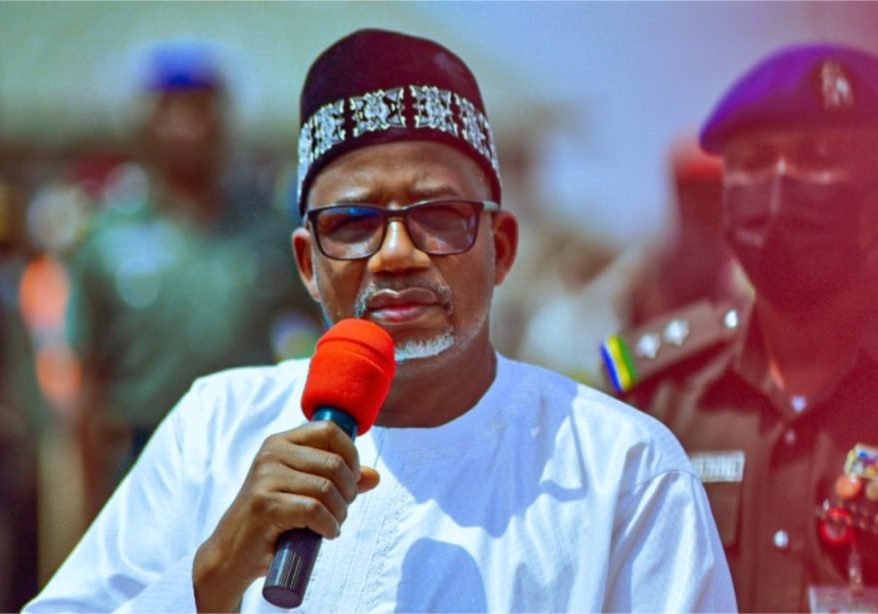
During an interview on Channels Television’s The Morning Brief, Adi explained that the federal government’s borrowing strategy reflects standard fiscal management, focusing on resource acquisition to meet developmental deficits. With foreign exchange reserves reported near $50 billion, international creditors maintain confidence in the country’s repayment capacity. Adi noted that sovereign debt servicing timelines typically span five to ten years, a duration that extends beyond current political terms and shifts long-term financial obligations to subsequent administrations.
The economist highlighted that while macroeconomic indicators show stabilisation, structural policy adjustments including petroleum subsidy removal and exchange rate harmonisation continue to pressure household purchasing power. Adi explained that infrastructure gaps and administrative delays extend the timeframe before national economic improvements reach local communities. He added that recent positive economic metrics remain partially tied to crude oil sector performance, which continues to operate below projected capacity despite contributing significantly to overall fiscal indicators.
Government agencies and parliamentary oversight committees will monitor the disbursement and execution of the approved projects to verify alignment with development targets and long-term debt management frameworks. The implementation process will determine whether the capital investments effectively bridge the gap between national fiscal indicators and immediate public economic conditions, with continued transparency expected to guide future borrowing and budgetary decisions.