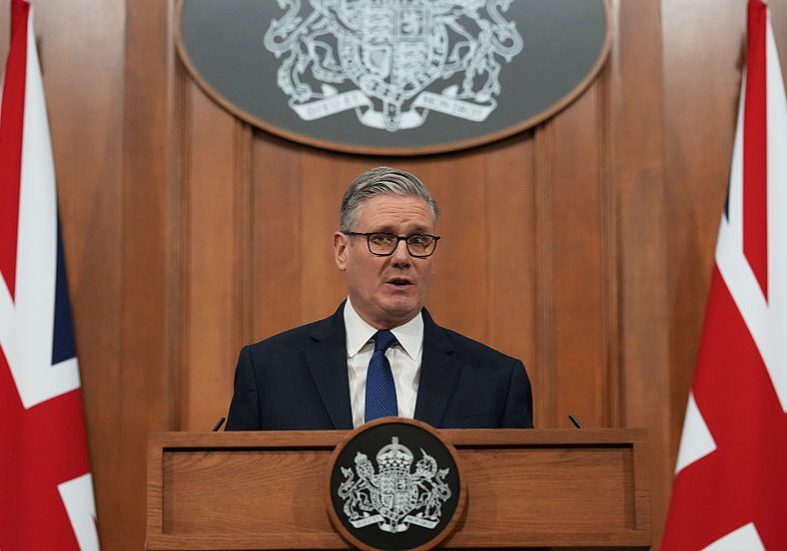
British and Australian leaders have urged citizens to reduce fuel consumption as a conflict involving the United States, Israel, and Iran disrupts global energy supplies and intensifies economic pressures. Prime Minister Keir Starmer and Prime Minister Anthony Albanese delivered coordinated addresses this week, warning that market volatility and supply constraints will persist for months and advising the public to utilize public transit where possible.
The current energy disruption stems from restricted access to the Strait of Hormuz, a vital shipping corridor responsible for nearly a third of global seaborne crude oil. Iranian naval operations and heightened insurance premiums for commercial vessels have significantly reduced maritime traffic through the narrow waterway. Compounding the shortage, strikes on Gulf-state infrastructure have taken regional refineries offline. Qatar, a major liquefied natural gas supplier, halted production last month, further tightening global supply chains.
Market data reflects the mounting strain. Brent crude has traded above $100 per barrel for three consecutive weeks, while natural gas prices have climbed sharply across European markets. British and Australian consumers have seen pump prices rise by 15 and 44 percent respectively since February, mirroring inflationary trends across the EU and North America. Western sanctions on Russian energy exports have restricted alternative supply routes for allied economies, limiting immediate relief options as demand outpaces available inventory.
Despite public messaging that frames the conflict as external to their national interests, both governments maintain operational support for allied forces. Australia has deployed surveillance aircraft and military personnel to regional partners, while the United Kingdom continues to permit strategic use of the Diego Garcia base. London, Canberra, and thirty-two other allied nations issued a joint statement attributing the shipping disruptions to Iranian actions and demanding the immediate reopening of commercial lanes.
Diplomatic and tactical developments remain uncertain. US officials have issued alternating assessments regarding a potential resolution and additional military measures. A recent US claim that Iranian leadership requested a ceasefire was denied by Tehran, which labeled the statement inaccurate. The Pentagon has announced the forward deployment of an additional aircraft carrier, signaling that strategic operations will continue in the near term.
Governments are implementing temporary tax adjustments and contingency planning to mitigate household costs and transport bottlenecks. Energy analysts project that fuel and utility pricing will remain elevated until maritime corridors stabilize and regional production capacity resumes. Markets and policymakers will monitor upcoming diplomatic engagements for indicators of sustained deescalation or prolonged supply constraints.