Mozambican Finance Minister Carla Louveira has criticised the World Bank for relying on outdated data in its latest assessment of the country’s economic situation.
The report, titled “Mozambique Economic Update: From Fragility to Stability,” published in March, claims Mozambique is “the second poorest country and among the ten most unequal in the world.” The assertion has prompted widespread media coverage, with headlines declaring Mozambique the world’s second poorest nation.
Minister Louveira disputes these findings, noting that the data used in the report dates back to 2019 and was published in 2022 during the COVID-19 pandemic. She argues that the World Bank’s analysis focuses solely on “consumption poverty,” measuring whether households can afford a basic basket of goods and services. In contrast, the Mozambican government employs a broader “multi-dimensional poverty” framework that considers additional factors.
The minister also highlighted inconsistencies in the World Bank’s comparative methodology, pointing out that other countries were assessed using more recent household surveys. “If we were to use these more recent data, the picture of our country would obviously be different,” she stated.
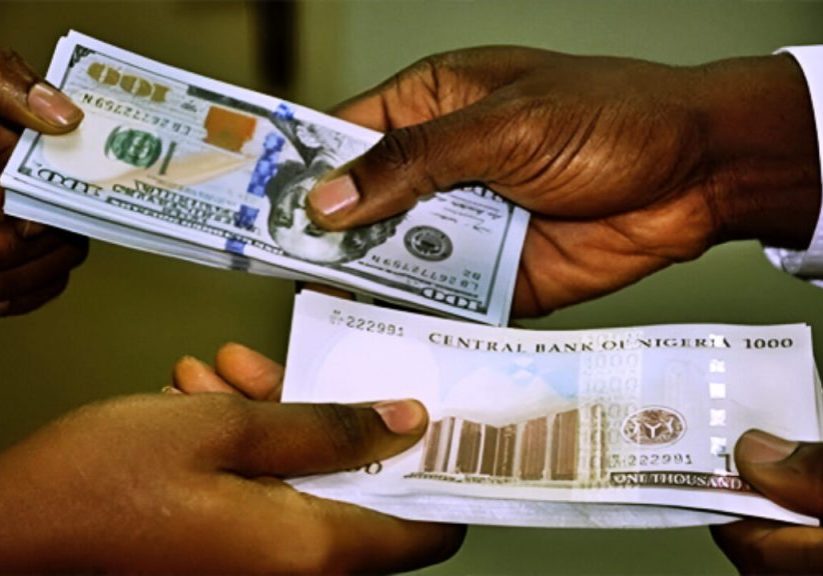
Louveira’s comments come amid Mozambique’s efforts to improve its economic standing and address debt obligations. She confirmed that the government recently paid off its entire debt to the International Monetary Fund (IMF) ahead of schedule, using net international reserves rather than state budget funds. The repayment amounted to 515.04 million Special Drawing Rights, equivalent to approximately 603.1 million dollars.
The minister assured that this payment would have only a “slight impact” on the country’s reserves, which remain sufficient to cover four to five months of imports. She emphasised that Mozambique’s economic situation is more complex than the World Bank’s report suggests and called for assessments based on current, comprehensive data.