Naira Gains Against Dollar at Official Market Amid Steady Black-Market Rates
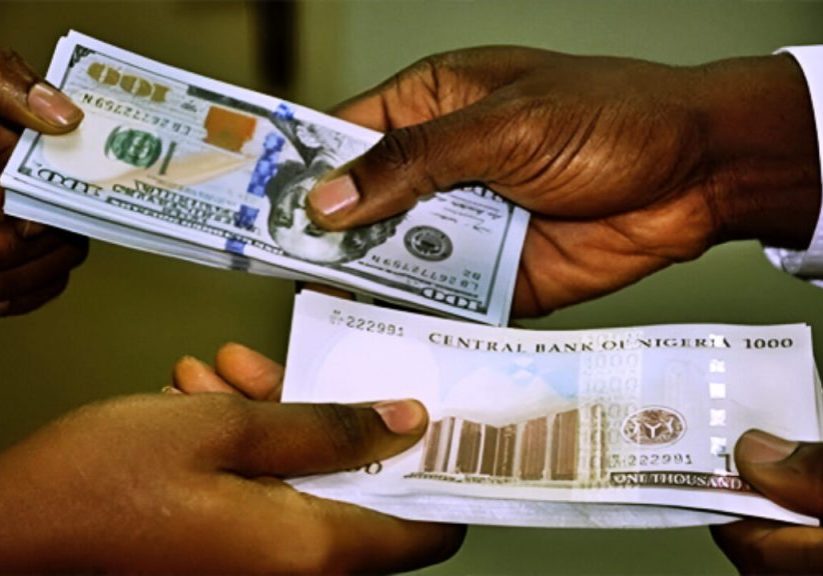
The Nigerian Naira strengthened significantly at the official foreign exchange market on Wednesday, marking a notable gain against the US dollar. Data from the Central Bank of Nigeria (CBN) revealed that the Naira appreciated to N1,371.82 per dollar, up from N1,386.66 recorded the previous day. This represents an improvement of N14.84 in a single trading session, signaling increased stability in the official forex market.
Despite the gains at the official window, the parallel market—commonly referred to as the black market—remained unchanged. The Naira traded flat at N1,404 per dollar on Wednesday, mirroring Tuesday’s rate. This divergence between the official and parallel markets continues to highlight the ongoing challenges in Nigeria’s foreign exchange system, where multiple exchange rates persist amid fluctuating demand and supply dynamics.
The appreciation at the official market comes even as Nigeria’s foreign reserves continue to decline. As of April 7, 2026, the country’s foreign reserves stood at $48.94 billion, reflecting sustained depletion. The reserves have been under pressure due to various factors, including lower oil revenues, high import demand, and central bank interventions in the forex market.
Market analysts suggest that the Naira’s performance at the official window may be influenced by recent policy measures aimed at boosting liquidity and attracting foreign investment. However, the unchanged rate in the parallel market underscores the persistent challenges of access and confidence in the official forex channels.
On Tuesday, the Naira had recorded mixed sentiment across forex markets, with gains in some segments and stability in others. The latest developments indicate a potential shift towards greater stability, though the gap between official and parallel market rates remains a concern for policymakers and investors alike.
As Nigeria navigates its economic recovery, the performance of the Naira will continue to be a key indicator of broader financial stability. Stakeholders will be closely watching for further policy interventions and market responses in the coming days.