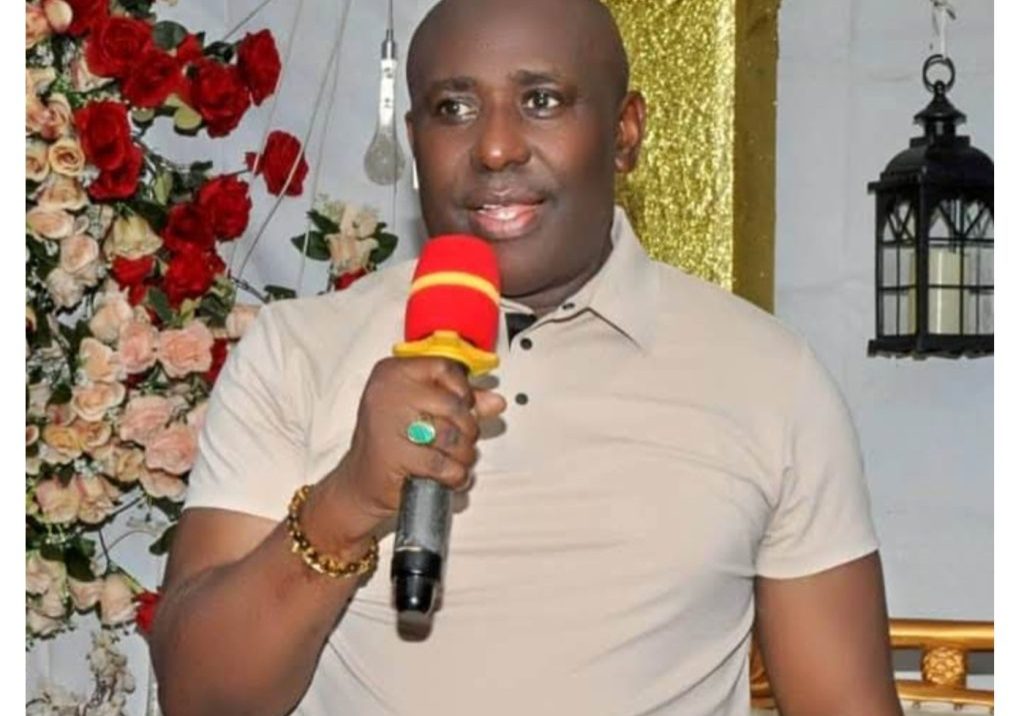
Katsina State Governor Dikko Umaru Radda has outlined his administration’s renewable energy and climate resilience strategy at ChangeNOW 2026 in Paris, positioning the state as a leading subnational actor in Nigeria’s climate governance.
Speaking at the Grand Palais during the global summit, Governor Radda urged a shift from climate pledges to measurable outcomes, stressing that tangible results—not just ambition—should define progress. He highlighted the urgent challenges facing Northern Nigeria, including desertification, water scarcity, and declining agricultural productivity, which have shaped Katsina’s proactive climate agenda.
The governor detailed several key initiatives already underway, including the deployment of solar-powered irrigation systems to boost food security and reduce fossil fuel dependence, expanded clean energy access in rural communities, and the introduction of electric tricycles and hybrid buses to promote cleaner urban transport. He also pointed to clean cooking programmes aimed at reducing reliance on firewood, improving public health, and mitigating environmental degradation.
These coordinated efforts have attracted over $50 million in green investments and propelled Katsina from 25th to 2nd place in Nigeria’s national climate governance rankings. Looking ahead to 2030, the state aims to achieve 50% renewable energy adoption in urban areas, expand clean energy access to 70% of the population, increase forest cover by 25%, and lift 500,000 people out of poverty through climate-driven growth.
“The defining factor in climate action going forward will not be the scale of ambition, but the strength of systems and the consistency with which results are delivered,” Radda said.
Accompanied by First Lady Zulaihat Dikko Radda and Special Adviser on Power and Energy Hafiz Ibrahim Ahmed, the governor signed a Memorandum of Understanding with LDN Advisory to develop nature-based solutions projects aligned with Land Degradation Neutrality principles. The partnership is expected to unlock climate finance, strengthen biodiversity conservation, and support bankable environmental projects with long-term socio-economic benefits.
The summit, which drew over 40,000 participants from more than 140 countries, provided a platform for investors, policymakers, and innovators to advance scalable climate solutions. Radda’s participation underscores Katsina State’s growing influence in renewable energy deployment and sustainable development at the subnational level.