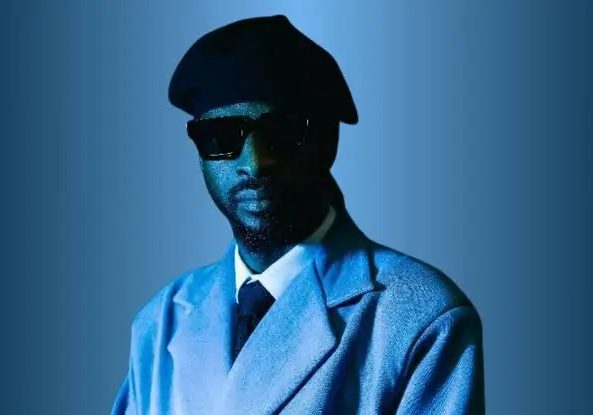
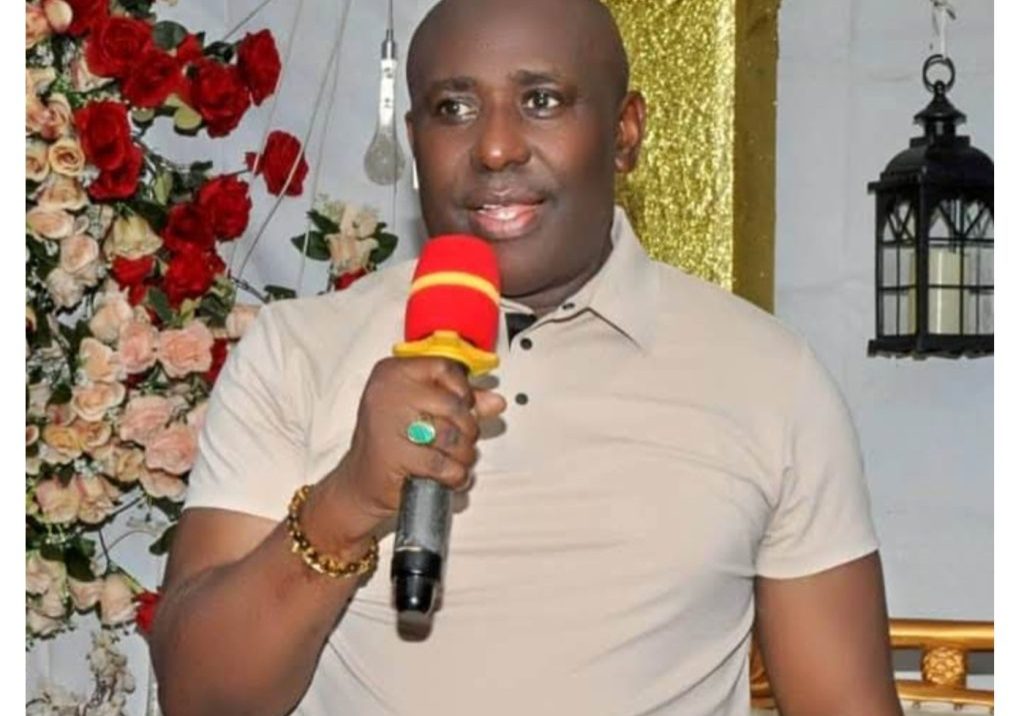
Nigerian singer Alexander Adegbola Akande, widely known as 9ice, has criticised the impact of foreign religions on Nigeria’s development, arguing that years of prayer and religious devotion have not translated into national progress.
Speaking at a recent event covered by Gold Myne TV, the musician, who identifies as a self-proclaimed heathen, questioned the effectiveness of both Christian and Islamic practices in addressing Nigeria’s persistent security and economic challenges. He pointed to countries like the United Kingdom, where church attendance is lower but prosperity levels are higher, as evidence that religiosity does not necessarily correlate with national advancement.
“You will leave Nigeria and go to Mecca to go and lick rock all in the name of Kabba,” 9ice remarked. “Ever since you have been calling on Allah and Jesus, this country hasn’t gotten any better. If you go to London, nobody goes to church there yet they are better than Nigeria.”
He further criticised what he described as excessive religious devotion among Nigerians, noting that many spend significant portions of their time attending church services and praying over matters they could address themselves. “They go to work on Sundays but Nigerians go to church,” he said. “A lot of Nigerians spend most of their time in church in the name of weekly services. They pray over everything, including things they should fix themselves.”
The singer’s remarks come against the backdrop of longstanding calls for Nigerians to pray for the nation amid ongoing security crises and economic hardship. His comments reflect a growing debate about the role of religion in public life and national development.
In a separate interview with Nancy Isime in August 2025, 9ice revealed that he had embraced traditional African spirituality after being healed from a “spiritual attack” that caused him to vomit blood for six months. He credited an Ifa priest with his recovery and expressed regret at not adopting traditional beliefs earlier in life.
The artist’s statements have sparked discussion about the influence of foreign religions in Nigeria and whether a return to indigenous spiritual practices could contribute to societal change.