Brazil’s annual inflation rate rose to 4.14 percent in March, driven by a sharp increase in fuel prices amid global energy market volatility linked to the conflict in the Middle East.
Official data from the Brazilian Institute of Geography and Statistics (IBGE) showed gasoline prices climbing 4.59 percent in March, pushing transport costs higher. Diesel prices surged even more dramatically, rising 13.9 percent over the same period. Brazil imports nearly 30 percent of its diesel needs, making it vulnerable to international supply disruptions.
The rise in transport costs fed into food prices, which increased by 1.56 percent. Fernando Gonçalves, IBGE’s manager for the Consumer Price Index, noted that “uncertainties in the international landscape” were already impacting fuel-related categories.
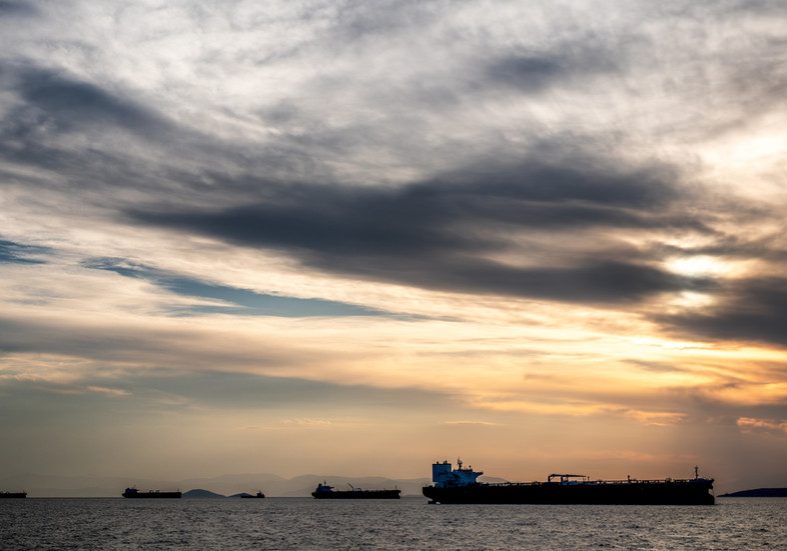
The price spikes are tied to tensions in the Strait of Hormuz, a critical oil and gas shipping route through which about a fifth of global energy supplies pass. Since February, Iran has blocked traffic through the waterway amid intensified US and Israeli military action in the region.
In response to the inflationary pressures, Brazil’s Central Bank cut its benchmark interest rate to 14.75 percent from 15 percent in March—the first reduction in nearly two years. Analysts at Capital Economics suggest the move could be part of a broader easing cycle if global energy prices stabilize following a two-week ceasefire between the US and Iran.
President Luiz Inácio Lula da Silva has introduced measures to cushion the impact, including subsidies for diesel and targeted aid for the aviation sector, where rising fuel costs are expected to push airfares higher. Diesel prices at Brazilian pumps have climbed nearly 24 percent since the conflict began in late February, according to the National Petroleum Agency.
Lula, who is seeking a fourth term in October’s elections, faces strong competition from Senator Flavio Bolsonaro, son of former president Jair Bolsonaro, currently imprisoned for his role in an attempted coup. The economic pressures from rising fuel costs are likely to remain a key issue in the campaign.