

The United States is reportedly weighing a reset of diplomatic relations with Eritrea, a move that could involve lifting the sanctions imposed in 2021 on the country’s ruling party and military for alleged abuses during the conflict in Ethiopia’s Tigray region. Human‑rights groups warn that easing the sanctions without clear accountability measures could be interpreted as tacit acceptance of ongoing violations in both Eritrea and occupied parts of Tigray.
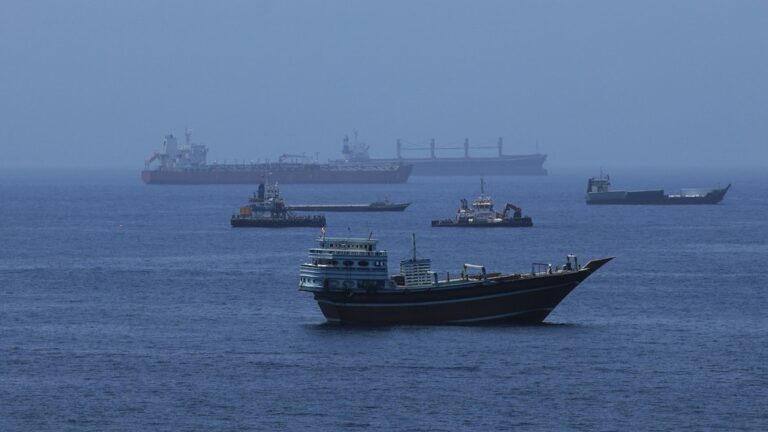
Eritrea’s strategic position along the Red Sea has heightened its profile amid the widening Middle‑East conflict and threats from Yemen’s Houthi forces to disrupt maritime traffic. The United States is not acting alone; the European Union and Canada have also signalled a willingness to engage with Eritrea, primarily on development and migration issues. Critics argue that a purely transactional approach, detached from human‑rights considerations, may reinforce a culture of impunity that has persisted for decades.
Since President Isaias Afwerki assumed power in 1993, Eritrea has been described as one of the world’s most repressive regimes. The government’s indefinite national‑service policy has been condemned as forced labor, entrapping successive generations of citizens in harsh conditions while penalising draft‑evaders and their families. Independent media have been dismantled, and numerous journalists, religious leaders and perceived critics have been detained without trial, often for extended periods. The 2024 anniversary marks 25 years since the state incarcerated 11 officials and 10 journalists who publicly called for reforms.
During the 2020‑2022 war in Ethiopia’s Tigray region, Eritrean forces were implicated in massacres, sexual violence, abductions and looting. Reports indicate that Eritrean troops continue to commit abuses in areas of Tigray they still occupy. The United Nations Human Rights Council is set to renew the mandate of its special rapporteur on Eritrea in July, a mechanism that remains one of the few avenues for documenting violations and pursuing accountability.
Human‑rights advocates argue that any decision to lift sanctions should be contingent on Eritrea taking substantive steps toward accountability and demonstrating a clear break from past and present abusive practices. They call on the international community to support the renewed UN mandate and to maintain pressure until concrete reforms are evident.
The potential policy shift underscores the tension between strategic interests in the Red Sea corridor and the imperative to uphold human‑rights standards. How the United States and its partners balance these considerations will shape diplomatic engagement with Eritrea and influence broader regional stability.

Comments are closed for this story.