
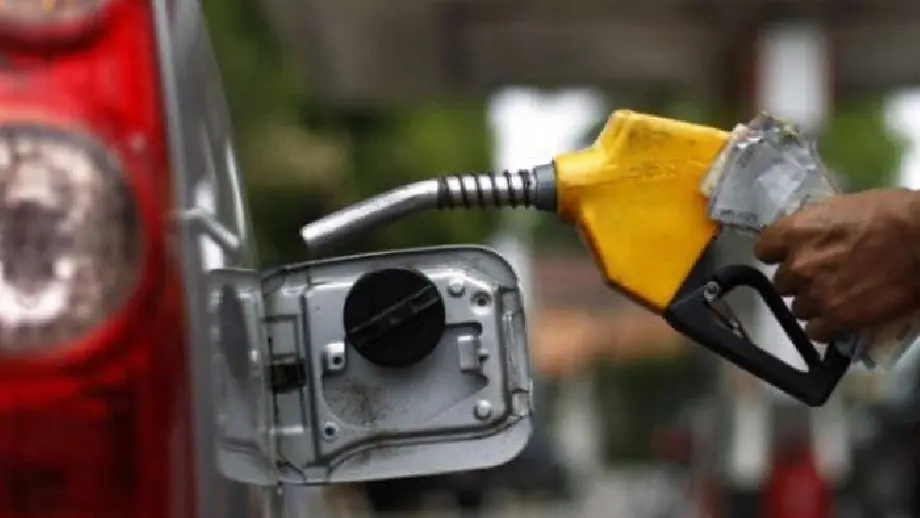
Petroleum product marketers and retailers in Nigeria are signalling a possible reduction in pump prices after the Nigerian National Petroleum Company Limited (NNPCL) signed a memorandum of understanding (MoU) with two Chinese firms to revive the Port Harcourt and Warri refineries.
The MoU, signed on 30 April 2026, involves Sanjiang Chemical Company and Xinganchen (Fuzhou) Industrial Park Operation and Management Co., Ltd. The agreement aims to support the completion and recommissioning of the state‑owned Port Harcourt refinery, which has been offline since scheduled maintenance in May 2025, and the Warri refinery, which has remained shut for several years. Together with the Kaduna refinery, the two plants have received approximately US$43 billion in rehabilitation funds over the past two decades without returning to commercial operation. In the interim, Nigeria’s private Dangote Refinery in Lagos has been the primary source of domestically refined fuel.
The timing of the partnership carries added weight as the ongoing Middle East conflict has driven global crude prices higher. Brent crude and West Texas Intermediate were reported at US$112 and US$104 per barrel, respectively, prompting domestic gasoline prices to climb to between N1,364 and N1,380 per litre—up from around N800 per litre in Abuja just two months earlier. The surge has heightened transportation costs and strained household budgets across the country.
Billy Gillis‑Harry, national president of the Petroleum Products Retail Outlets Owners Association of Nigeria (PRROAN), welcomed the MoU, stating that increased local refining capacity would boost competition among suppliers and help lower prices for petroleum products such as PMS, AGO and aviation fuel. “The more refined products we get from any country, the higher the competition, driving down the price of any refined product,” he told Media Talk Africa.
Chinedu Ukadike, spokesperson for the Independent Petroleum Marketers Association of Nigeria (IPMAN), echoed the sentiment but called for government incentives to mitigate price volatility. He urged the authorities to provide funding support for motorists and marketers, noting that such measures could translate into lower pump prices while the refineries are being brought back online.
If the MoU leads to the successful restart of the Port Harcourt and Warri facilities, Nigeria could reduce its reliance on imported fuel, improve energy security, and potentially alleviate the current surge in domestic petrol prices. Stakeholders are now watching for concrete implementation steps and any accompanying policy incentives that may shape the near‑term outlook for the Nigerian fuel market.



Comments are closed for this story.