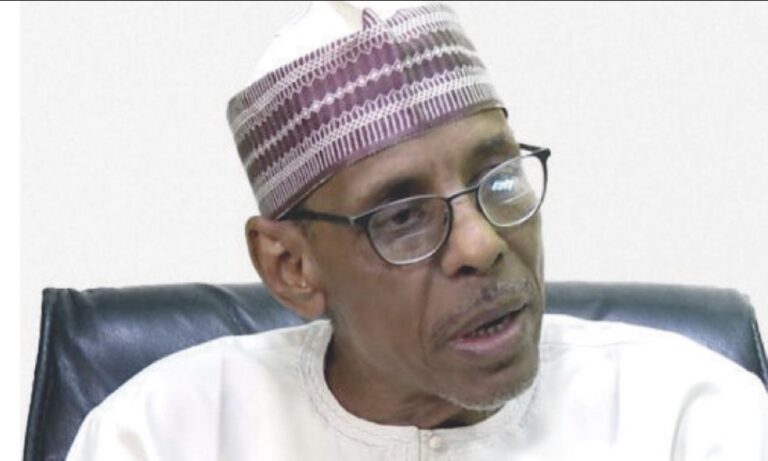
Rights activist Omoyele Sowore has voiced his support for fellow advocate Aisha Yesufu, who plans to run for the Federal Capital Territory (FCT) senatorial seat in the 2027 elections. However, he raised concerns about her decision to join the Nigerian Democratic Congress (NDC). Sowore, a former presidential candidate, made these remarks during an interview on Channels Television’s “The Morning Brief” on Monday. He expressed that he “truly supports” Yesufu and commended her spirit of activism, emphasizing that those who believe they can effect change should view politics as a form of activism.
Sowore recalled that Yesufu had previously stated her lack of interest in running for office and had criticized other activists who chose to do so. He noted, “She didn’t want to support anybody, but now she’s realized that politics is the biggest activism we can do to save society.” Sowore reflected on his own shift in perspective around 2016, when he moved from seeing politics as “not my business” to recognizing its importance for societal reform. Despite his support for Yesufu, he expressed disappointment with her choice of party. After leaving the African Democratic Congress (ADC), she aligned herself with former presidential candidate Peter Obi in the NDC and announced her senatorial bid. “I support her and hope she wins, even though I think she’s in the wrong party. She should have joined our party,” Sowore remarked, referring to his own political platform.
Yesufu’s transition to the NDC marks a significant realignment in the opposition landscape as the 2027 electoral cycle approaches. Her shift from the ADC, where she was a prominent figure in the “Occupy Nigeria” movement, to the NDC positions her with a party that aims to serve as a progressive alternative to the ruling All Progressives Congress (APC). Political analysts suggest that the FCT, traditionally a competitive arena, may experience heightened contestation as more activists consider formal political participation. Sowore’s endorsement underscores a broader trend among civil-society leaders moving from street activism to electoral politics, which he described as “the biggest activism that has to be done to save society.”
As political parties across the country finalize their candidate selections for the 2027 elections, it remains uncertain whether Yesufu’s campaign can effectively navigate the challenges of party infrastructure and voter mobilization within the NDC. Nevertheless, Sowore’s public support may bolster her campaign’s credibility among the activist community and influence voter perception in the capital territory. As the 2027 election calendar unfolds, the evolving alliances and endorsements among Nigeria’s opposition figures are likely to shape the contest for key legislative seats, with the FCT Senate race becoming a focal point for both party strategists and civil-society observers.