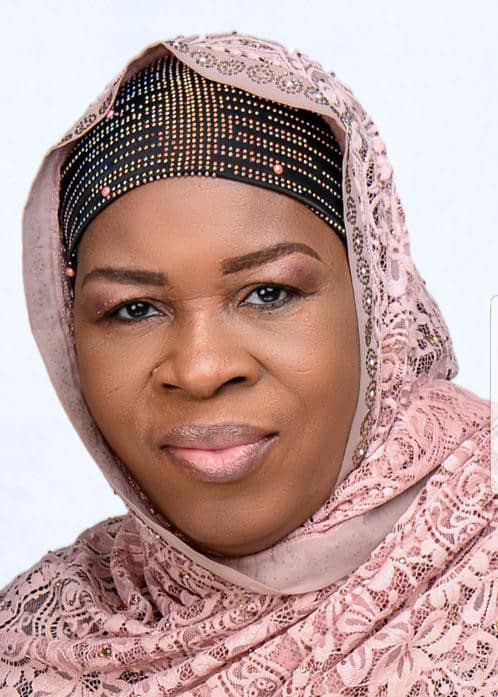
The brutal killing of Ummulkhair Usman Aliyu in Kaduna should have been a thunderclap. A young female teacher, an Islamic preacher, a mother of four—dragged from lawful custody, stripped, beaten, and burned to death on a flimsy, unverified accusation of child kidnapping. Yet, the expected wave of outrage? It barely rippled. The North, it seems, has grown accustomed to the crackle of mob fire.
This is not an isolated horror. It is a symptom of a deep, festering wound. Across northern Nigeria, extrajudicial killings have become a grim routine, often triggered by the most volatile of accusations: blasphemy. But as the case of Ummulkhair shows, the trigger can be anything—a rumour, a dispute, a whisper of a crime that never happened.
The Muslim Public Affairs Centre (MPAC) called it what it was: “organised savagery enabled by rumour, fear, and institutional failure.” They are right. A society where suspicion overrides the law is sliding into anarchy. And the North, once a cradle of scholarship and commerce, is sliding fast.
Look at the South-West. When insecurity threatened to overwhelm the region in 2020, governors united to create Amotekun. A coordinated, political response. In the North? Silence from the political class. Insecurity festers, and the cycle of violence continues, unbroken.
The litany of names is a testament to this failure. Abdullahi Umaru, lynched in Kebbi in 1999. Oluwaseesan Shuka, burned alive in Gombe in 2007 for confiscating a student’s bag. Bridget Agbahime, beaten to death in Kano market in 2016. Tanka Yakasai, killed in Kano in 2018. Deborah Samuel Yakubu, stoned and burned in Sokoto in 2022. Ahmad Usman, mobbed in Abuja just a month later. Usman Buda, lynched in Sokoto market in 2023 over a fabricated blasphemy accusation used to settle a commercial rivalry.
In every single case, no one has been held accountable. Nigeria’s constitution guarantees the right to life and a fair hearing. But these are rights that exist only on paper, shredded by mobs that act as judge, jury, and executioner. The police, too often, stand by or hand over suspects to the crowd. As in Ummulkhair’s case, they have questions to answer.
Where is the outrage from the region’s religious leaders? Where is the condemnation from the Jama’atu Nasril Islam (JNI) or the Nigerian Supreme Council for Islamic Affairs (NSCIA)? Their silence is deafening. It emboldens the mobs and deepens the culture of impunity.
Governor Uba Sani of Kaduna has promised justice, saying 41 persons have been charged with culpable homicide. But promises are cheap. What is needed is action: the full weight of the criminal justice system, the signing of death warrants for the convicted, and a zero-tolerance policy for mob violence. The police must be held accountable for their failures. The media must report without bias. The political class must lead.
The North cannot heal if it continues to look away from its own wounds. Every lynching is a scar. Every silence is a surrender. The time for outrage is now—not just in words, but in the relentless pursuit of justice.