
The global film industry witnessed a groundbreaking shift with the emergence of “Black Panther: Wakanda Forever” and “The Woman King,” featuring Black female protagonists as superheroes. These films have sparked crucial conversations, challenging Hollywood’s traditional portrayal of Africa and reshaping the narrative on the roles of women and girls in cinema. English professor Diana Adesola Mafe, an advocate for the representation of Black women in literature and popular culture, considers “Wakanda Forever” a significant milestone. She emphasizes the film’s ability to challenge stereotypes and elevate Black women as central figures in a genre typically dominated by male characters. Despite its imperfections and the initial male-focused vision of director Ryan Coogler, the untimely passing of Black Panther star Chadwick Boseman led to a remarkable transformation. The introduction of Shuri as the new Black Panther portrayed by Letitia Wright marked a pivotal moment for Black female representation in the superhero genre. Mafe’s analysis delves into the concept of “the act of looking,” shedding light on the historical absence of Black female perspectives in mainstream cinema. “Wakanda Forever” deliberately embraces Black spectatorship, empowering Black women as active participants driving the storyline while defying the traditional marginalization and objectification prevalent in Western cinematic traditions. The discussion extends to Hollywood’s progress in addressing its diversity issues. While there have been strides towards inclusivity in the film industry, Mafe emphasizes that the success of individual films does not indicate a comprehensive transformation. The recent initiatives and standards introduced by organizations like the Academy of Motion Picture Arts and Sciences aim to promote equity and access. However, persistent challenges in achieving meaningful diversity in Hollywood continue to be a subject of scrutiny and debate. As “Wakanda Forever” and “The Woman King” pave the way for a more inclusive and representative cinematic landscape, Diana Adesola Mafe’s insights serve as a compelling testament to the evolving dynamics of diversity and inclusion in global cinema. Diana Adesola Mafe, Professor of English, Denison University
Metro News Africa
2 min read
Breaking Barriers: Black Female Superheroes Take Center Stage in Hollywood
The global film industry witnessed a groundbreaking shift with the emergence of “Black Panther: Wakanda Forever” and “The Woman King,” […]

More stories like this

Metro News Africa
Freedom is Not Enough: The Hidden Wounds of Oriire’s Kidnapped Students and Teachers
Metro News Africa
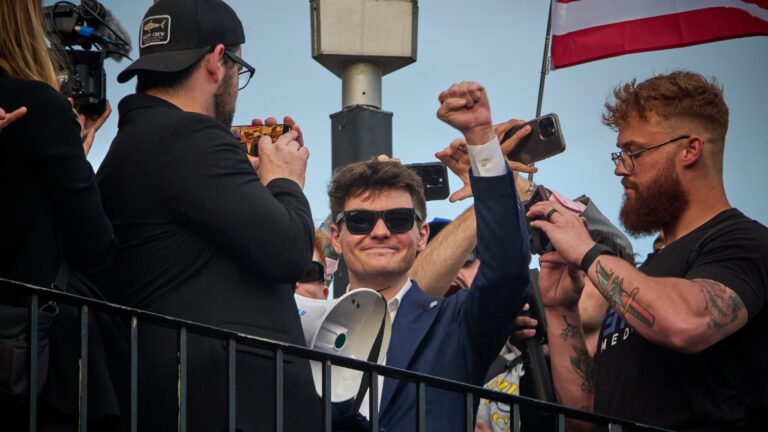
The Normalization of Hate: How Nick Fuentes and Hasan Piker Are Pushing Antisemitism Into the Mainstream

Metro News Africa
The King Who Gives It All Away: Inside Emir Sanusi’s Quiet Revolution of Generosity

Metro News Africa
Comments are closed for this story.