
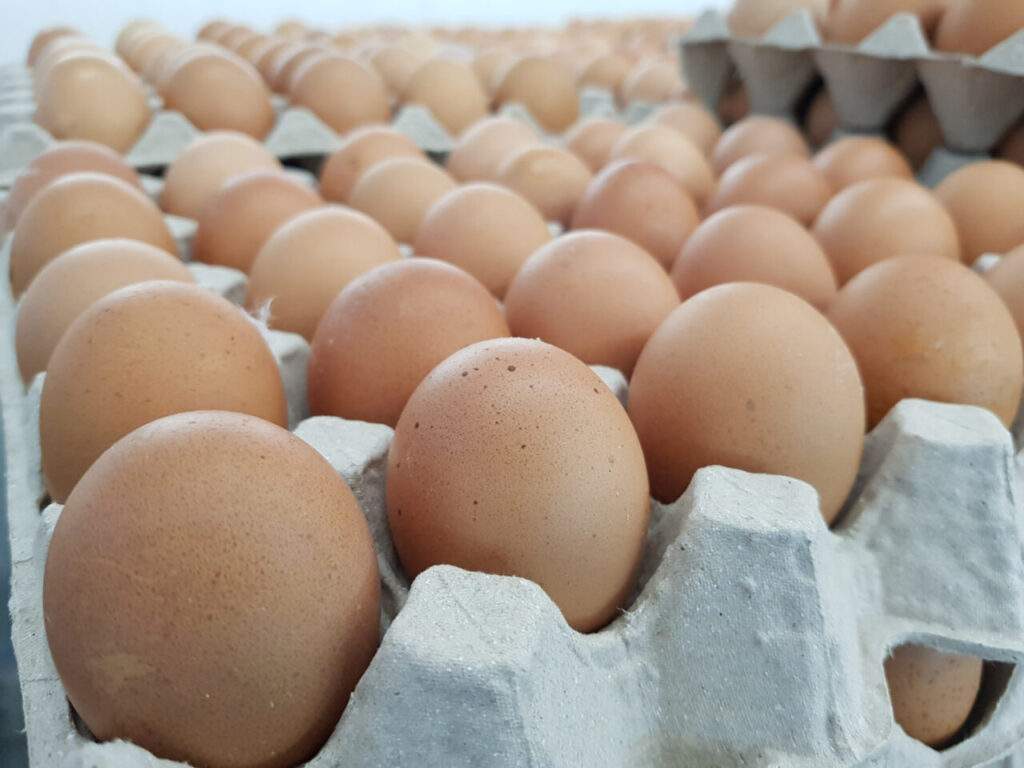
Nigerians are facing a tough reality as the price of eggs continues to soar, making this nutritious food item a luxury for many. The latest National Bureau of Statistics (NBS) Food Price Report for January 2024 revealed a significant increase in the cost of eggs, with a crate now selling for between N3,500 to N4,000 in the Federal Capital Territory (FCT). The rising prices have forced residents to rethink their purchasing habits, with some opting to buy smaller quantities or forgoing eggs altogether. The average price of a crate of medium-sized agric eggs has risen by 54% year-on-year, while the price for a single egg has increased by 33.45% over the same period. Despite the nutritional benefits of eggs, including being a rich source of calcium, phosphorus, potassium, vitamin D, and A, many Nigerians are finding it increasingly difficult to afford this staple food item. Hajiya Jummai Hassan, an Assistant Director at Gwarimpa General Hospital, highlighted the importance of eggs in maintaining muscle mass and cellular growth, especially for children and older adults. The sharp increase in egg prices has had a ripple effect across various sectors, with businesses like bakeries feeling the pinch. Nora Paul, a professional baker, expressed concern over the rising cost of ingredients, including eggs, which are essential for baking cakes. The impact is also felt by small-scale vendors like tea sellers, who have seen a decline in demand for eggs with their products. Poultry farm owners, like Joyful Samuel, attribute the price hike to the rising costs of bird feed and maintenance, exacerbated by challenges in sourcing materials for feed production. The economic strain on farmers, coupled with market hoarding and transportation costs, has contributed to the overall increase in egg prices. As Nigerians grapple with the affordability of eggs, individuals from all walks of life, from civil servants to taxi drivers, are feeling the financial strain of this essential food item. The sentiment is best captured by Oyiza Shehu, a mother of three, who laments the inability to provide eggs for her children regularly due to the escalating prices. The story of the egg price crisis in Nigeria reflects a broader narrative of economic challenges and food insecurity facing many households. As the cost of living continues to rise, the simple act of enjoying an egg has become a luxury for some, highlighting the harsh realities of inflation and its impact on everyday life.
Metro News Africa
2 min read
Egg Prices Soar in Nigeria: Impact on Consumers and Health Benefits
Nigerians are facing a tough reality as the price of eggs continues to soar, making this nutritious food item a […]
More stories like this

Metro News Africa
Sultan of Sokoto Demands Probe Into Colonel Ode Killing

Metro News Africa
Akwa Ibom Police Arrest Cemetery Manager, Suspect for Corpse Exhumation

Metro News Africa
Kaduna Inaugurates KASU Council, Reaffirms Education Commitment

African Business News
Comments are closed for this story.