
Myanmar’s Junta- Controlled Central Bank Injects $100 Million to Alleviate Fuel Crisis
The economic crisis in Myanmar has taken another turn for the worse, with the country’s junta-controlled central bank announcing plans to release $100 million to help struggling importers purchase fuel and oil. The local kyat currency has been plummeting against the dollar since the military seized power in 2021, making it increasingly difficult for importers to afford essential fuel shipments.
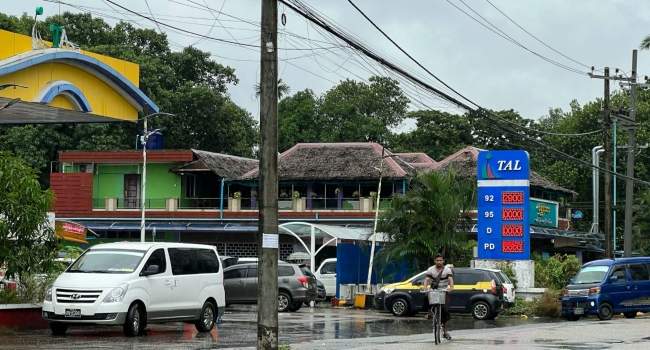
The shortage has left residents in commercial hub Yangon queuing overnight outside petrol stations in the hope of obtaining fuel for their vehicles. Businesses and hospitals, which rely on generators to power through frequent electricity blackouts, are also feeling the pinch. The city, home to around eight million people, is being severely affected by the crisis.
According to a statement released by the Central Bank of Myanmar, the $100 million injection is aimed at stabilizing the fuel oil sector in the foreign currency market. However, details on when the funds will be released and the exchange rate for the dollar remain unclear.
The junta’s official exchange rate is set at 2,100 kyat to the dollar, but on the black market, a greenback fetches around 6,500 kyat. This vast disparity has led to a surge in fuel prices, making it difficult for the average citizen to access affordable energy.
Myanmar’s economy has been in freefall since the military coup in 2021, which sparked widespread pro-democracy protests that were brutally suppressed. The junta’s response to the crisis has been criticized for its lack of transparency and accountability.
In a bid to curb fuel hoarding, authorities launched a crackdown last December, threatening to jail anyone found with more than 180 litres of petrol without a licence. The move, however, has failed to address the underlying issue of the kyat’s value and the resulting fuel shortage.
As a result, the price of essential items like cooking oil, rice, and staples has skyrocketed. The Asian Development Bank has predicted inflation to be around 15.5 percent for the fiscal year to next March, further exacerbating the crisis.
The $100 million injection from the central bank is a welcome move, but its effectiveness will depend on the government’s ability to address the root causes of the crisis and restore confidence in the economy.



Comments are closed for this story.