
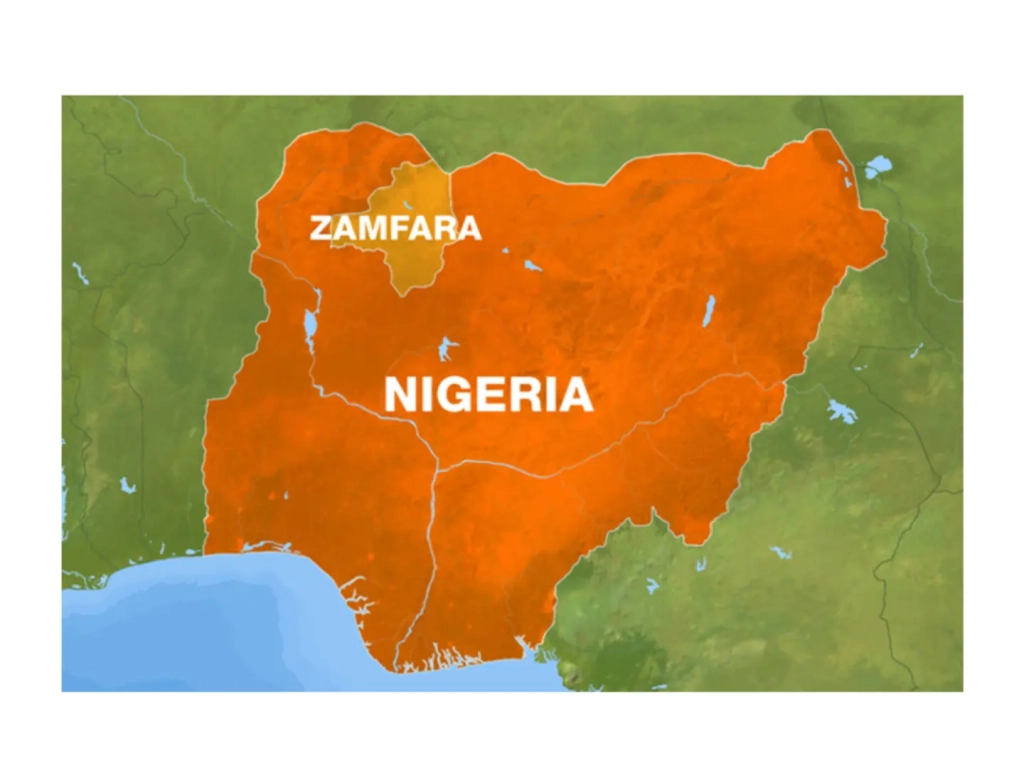
A coalition of lawyers and a civil society group has taken legal action to compel Nigeria’s federal government to declare a state of emergency in Zamfara State, citing escalating security risks and a paralyzing political crisis. The case, filed at the Federal High Court in Abuja on July 8, 2025, seeks urgent judicial intervention to address what plaintiffs describe as a systemic collapse of governance in the northwestern region. Led by attorneys Reuben Boma and Okoro Nwadiegwu, alongside the nonprofit One Love Foundation, the plaintiffs argue that Zamfara’s worsening instability—marked by communal violence, armed conflicts, and legislative gridlock—has created conditions justifying emergency measures under Section 305 of Nigeria’s 1999 Constitution. Named defendants include President Bola Tinubu, the Attorney-General of the Federation, and Zamfara’s state leadership, among others. Central to the suit is the demand for the National Assembly to assume control of Zamfara’s legislature, which has been paralyzed since April 2025 by factional disputes. Lawmakers have split into rival groups, holding parallel sessions and rendering the assembly unable to pass legislation or approve critical decisions. The crisis deepened in recent weeks when 10 members were suspended, leaving the body without a functional quorum. Court documents outline four constitutional questions, notably whether the president is legally obligated to declare an emergency given the “breakdown of public order” and whether such a declaration could warrant the removal of Zamfara’s governor and deputy. The plaintiffs assert that unchecked violence and governance failures have left residents vulnerable, with security agencies reportedly struggling to contain kidnappings, bandit attacks, and intercommunal clashes. Senior Advocate of Nigeria Goddy Uche, representing the petitioners, emphasized the urgency of federal intervention to restore stability. “When a state legislature cannot convene, and communities live in daily fear, constitutional mechanisms must be activated to protect citizens,” he stated. The case, registered as FHC/ABJ/CS/1363/25, underscores broader challenges in Nigeria’s northwestern regions, where armed groups and political disputes frequently destabilize governance. Zamfara, among the poorest states in the country, has faced chronic insecurity linked to illegal mining, ethnic tensions, and competition over resources. Legal analysts note that invoking Section 305—a rarely used constitutional provision—would grant the federal government sweeping powers to deploy security forces, suspend local governance, and allocate funds directly. However, such moves remain politically contentious, often sparking debates over federal overreach. As of publication, no hearing date has been scheduled for the case. The outcome could set a precedent for how Nigeria’s judiciary and executive branches address overlapping security and political crises, particularly in regions where state governance structures are perceived as ineffective. Observers await responses from the defendants, including Zamfara’s governor, who has previously dismissed calls for federal intervention as unconstitutional.
Metro News Africa
3 min read
Lawyers Sue Tinubu to Declare Emergency in Zamfara Amid Crisis
A coalition of lawyers and a civil society group has taken legal action to compel Nigeria’s federal government to declare […]
More stories like this

Breaking & Trending News (Pan-Africa)
APC Chieftain Vatsa Backs Atiku Urges Tinubu Reverse Fuel Subsidy
Metro News Africa
Tracka Urges EFCC ICPC Probe N296.4m ICT Centre at Private Uni

African Politics
Atiku Accuses Tinubu of Reverse Robin Hood Economics

Metro News Africa