
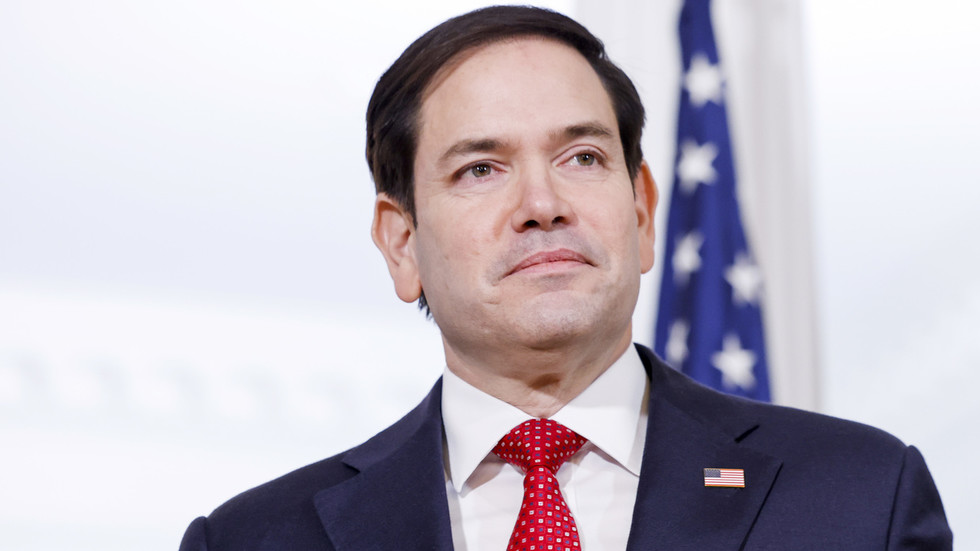
The United States will no longer routinely assess the fairness of foreign elections unless a “clear and compelling” national interest is at stake, according to a new policy directive unveiled by Secretary of State Marco Rubio. The guidance, detailed in a memo reviewed by The Wall Street Journal, marks a significant departure from prior administrations’ efforts to promote democratic norms globally, signaling a shift toward prioritizing strategic alliances over ideological alignment.
Under President Joe Biden’s administration, the State Department frequently criticized overseas electoral processes, branding the strengthening of democratic institutions as a foreign policy cornerstone. Former Secretary of State Antony Blinken, in his final weeks in office, declared Belarus’ 2024 presidential election could not be “free or fair” under its current leadership and raised concerns about perceived democratic erosion in Georgia. Both nations condemned these remarks as undue interference.
Rubio’s directive now instructs U.S. diplomats to refrain from publicly evaluating the legitimacy, fairness, or democratic credentials of other countries’ elections. Instead, communications should focus on congratulating winning candidates and emphasizing shared policy goals. The memo underscores that diplomatic efforts must “advance U.S. foreign policy, not promote ideology,” aligning with President Donald Trump’s “America First” framework. It stresses partnerships based on strategic interests, even with governments that diverge from democratic ideals, while asserting the U.S. will “hold firm to its own values.”
This policy adjustment coincides with heightened scrutiny of Washington’s foreign interventions. Earlier this month, President Trump drew criticism for imposing steep tariffs on Brazilian imports and allegedly pressuring authorities to drop charges against ex-President Jair Bolsonaro, accused of plotting to overturn his 2022 election loss. Brazilian President Luiz Inácio Lula da Silva rebuked the move, stating Trump “was not elected to be the emperor of the world.”
Analysts suggest the shift reflects broader tensions between advocating for democratic principles and pursuing pragmatic alliances, particularly with nations in the Global South. While the memo aims to reduce perceptions of U.S. overreach, recent actions—like the Brazil tariffs—risk contradicting its stated emphasis on non-interference. Critics argue the approach may undermine credibility if applied inconsistently, while supporters frame it as a recalibration toward realist diplomacy in a multipolar world.
The State Department has yet to clarify how exceptions to the policy will be determined or whether past critiques of adversarial governments like Cuba or Venezuela will continue. As global elections loom in pivotal regions, the directive’s implementation will test Washington’s balance between strategic interests and its traditional role as a democratic advocate.


Comments are closed for this story.