
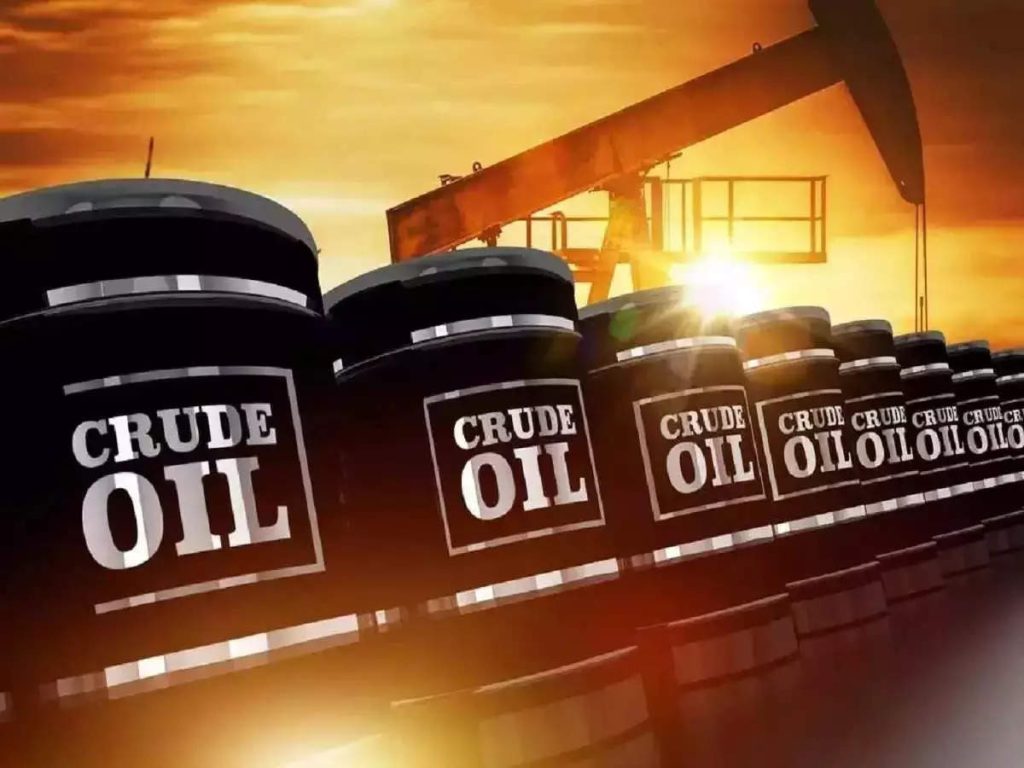
Nigeria’s crude oil production reached 1.8 million barrels per day (mbpd) in July 2025, surpassing its pledged quota to the Organization of the Petroleum Exporting Countries (OPEC) for the first time in over eight months, officials announced this week. The milestone marks a tentative recovery for Africa’s top oil producer, which has long struggled with systemic challenges affecting output. Gbenga Komolafe, Chief Executive of the Nigerian Upstream Petroleum Regulatory Commission, attributed the rise to intensified security measures in the Niger Delta, a region historically plagued by pipeline vandalism and crude theft. Speaking at an energy conference on Monday, as reported by Reuters, he confirmed current daily output now averages 1.78 million barrels. The nation last achieved 1.8 mbpd in November 2024. The increase aligns with Nigeria’s broader ambition to raise production to 3 million barrels daily, a target Komolafe described as critical for economic stability. Crude oil accounts for nearly two-thirds of government revenue and over 80% of foreign exchange earnings, making production levels pivotal for fiscal planning. Persistent shortfalls in recent years, driven by theft and underinvestment, strained public finances, weakened the national currency, and inflated debt levels. Security improvements in the Niger Delta since President Bola Tinubu took office in 2023 have played a key role in the rebound, according to officials. The government has deployed surveillance technologies and military personnel to safeguard pipelines, while engaging local communities to address grievances linked to environmental degradation and economic marginalization. Although attacks on infrastructure persist, their frequency has declined. Nigeria’s OPEC quota, set at 1.5 mbpd, reflects efforts by the cartel to balance global oil markets amid fluctuating demand. Exceeding this limit could signal renewed confidence in the country’s capacity to stabilize production, though analysts caution that sustaining gains will require deeper reforms. Years of underinvestment in infrastructure and regulatory uncertainties have deterred major oil companies from expanding operations, leaving smaller firms to dominate onshore activities. The Tinubu administration has pledged to overhaul the energy sector, including modernizing refineries and easing bureaucratic hurdles for investors. However, lingering risks, such as volatile global prices and domestic fiscal pressures, complicate long-term planning. For now, the July figures offer a rare bright spot for a nation where oil remains the backbone of the economy.
African Business News
2 min read
Nigeria’s 2025 Oil Output Hits 1.8M BPD, Beats OPEC Quota
Nigeria’s crude oil production reached 1.8 million barrels per day (mbpd) in July 2025, surpassing its pledged quota to the […]
More stories like this

African Business News
Cross-Border Payments: Africa Near Seamless Network, Flutterwave Lead Says
African Business News
NMDPRA Invites Comments on Proposed Anti-Competitive Petroleum Regulations

African Business News
Moove Raises $250M Series C at $2.1B Valuation for Robotaxis
African Business News
Comments are closed for this story.