
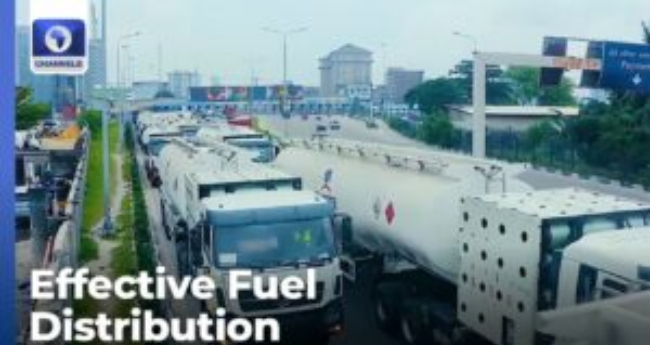
Nigeria’s Dangote Refinery has launched a nationwide distribution initiative involving 4,000 Compressed Natural Gas (CNG)-powered trucks, aiming to overhaul the country’s energy supply chain and lower consumer costs. The move, part of a ₦720 billion ($1.6 billion*) investment announced in June, is set to begin direct fuel deliveries to filling stations and industrial users starting August 15. The refinery’s strategy centers on eliminating transportation costs for fuel marketers, a step projected to save Nigeria over ₦1.7 trillion ($3.8 billion*) annually by cutting logistics expenses that average ₦45 per litre. The initiative will distribute 65 million litres of petroleum products daily—including petrol, diesel, and aviation fuel—aligning with national consumption needs. CNG infrastructure, such as “mother and daughter” refueling stations, is also being expanded to support the fleet. Government officials and industry leaders have hailed the program as transformative. Tosin Coker, Commercial Coordinator of the Presidential CNG Initiative, described the deployment of CNG trucks as a “milestone” in Nigeria’s shift toward cleaner energy and efficient distribution. “This signals that CNG is no longer a distant prospect but a practical solution,” he said, emphasizing reduced emissions and supply-chain efficiencies. Independent Petroleum Marketers Association of Nigeria (IPMAN) spokesperson Chinedu Ukadike praised the refinery for addressing longstanding infrastructure gaps. “Dormant pipelines forced marketers to rely on costly coastal transport,” he noted, adding that direct deliveries would alleviate financial strains on smaller businesses. Economists project broader economic benefits, including lower inflation and production costs, as well as up to 15,000 new logistics jobs. While some analysts raised concerns about market dominance, Financial Derivatives CEO Bismarck Rewane argued the model disrupts systemic inefficiencies. “Dangote is removing parasitic middlemen and standardizing prices nationally,” he said, highlighting credit facilities for retailers as a critical support mechanism. Energy expert Ibukun Phillips added that rural communities, often burdened by higher fuel prices, stand to gain significantly through revived filling stations and equitable access. The refinery’s plan aligns with federal efforts to curb smuggling and prioritize gas-based transport. Authorities estimate the initiative could reduce pump prices while bolstering Nigeria’s economic stability, offering a potential blueprint for sustainable energy distribution in emerging markets. *Currency conversions approximate, based on exchange rates at time of writing.
African Business News
2 min read
Dangote’s CNG Trucks Aim to Cut Fuel Prices, Boost Nigeria’s Economy
Nigeria’s Dangote Refinery has launched a nationwide distribution initiative involving 4,000 Compressed Natural Gas (CNG)-powered trucks, aiming to overhaul the […]
More stories like this

African Business News
Abia Governor Otti Accelerates Renewable Energy With Federal Govt

African Business News
Lumilens Raises $900M at $5.51B Valuation for AI Optical Networking
African Business News
Dangote Refinery Cuts Petrol Price to N1,165, Diesel to N1,570

African Business News
Comments are closed for this story.