
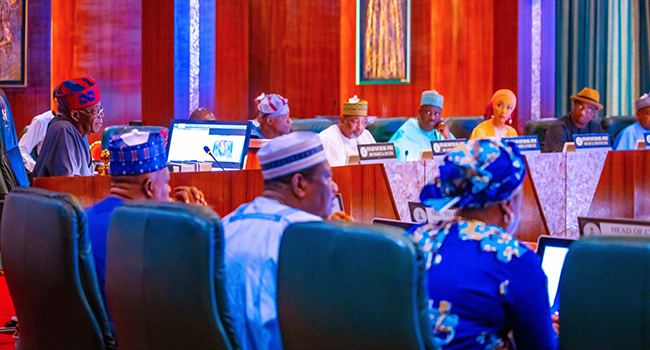
The Nigerian government has approved a significant reduction in revenue retained by key state agencies, a move aimed at curbing excessive spending and redirecting funds to bolster national savings and economic development. The decision emerged from Wednesday’s Federal Executive Council meeting led by President Bola Tinubu and signals tighter fiscal oversight of entities like the Nigerian National Petroleum Company Limited (NNPCL) and the Federal Inland Revenue Service (FIRS). Finance Minister Wale Edun underscored the objective of the policy shift: to mitigate wasteful expenditure, enhance public savings, and channel more resources toward growth initiatives. “This review aligns with the administration’s broader strategy to ensure prudent financial management,” Edun stated, noting that high-revenue agencies would no longer retain substantial portions of their earnings. Alongside the NNPCL and FIRS, the reform impacts the Nigeria Customs Service, Nigerian Upstream Petroleum Regulatory Commission, and the maritime safety agency NIMASA. Of particular focus is the reassessment of the NNPCL’s financial arrangements under the Petroleum Industry Act (PIA). President Tinubu specifically directed scrutiny of the firm’s 30% management fee and a separate 30% allocation for frontier exploration, mechanisms critics argue could strain federal coffers. The PIA, enacted in 2021, had granted the state oil company greater autonomy, but the government now appears to recalibrate its approach amid fiscal pressures. The policy follows recent measures barring ministries and agencies from approving capital contracts without explicit expenditure authorization, tightening control over public spending. These steps coincide with lingering concerns over delayed payments to contractors, an issue highlighted last year by Senator Abdul Ahmed Ningi, who warned that unpaid bills risked destabilizing businesses and public projects. While the government has not disclosed specific figures for the revised revenue shares, the shift reflects growing urgency to address Nigeria’s economic challenges, including inflation and debt burdens. Analysts suggest the move could improve transparency in agency operations, though questions remain about implementation and potential pushback from affected institutions. By reclaiming a larger share of revenues from its top-earning entities, Nigeria aims to consolidate funds for critical infrastructure and social programs. The decision underscores the Tinubu administration’s prioritization of fiscal discipline as it navigates competing demands in a resource-constrained economy.
African Business News
2 min read
Nigeria Slashes NNPCL, Customs Revenue Deductions to Boost Savings
The Nigerian government has approved a significant reduction in revenue retained by key state agencies, a move aimed at curbing […]
More stories like this
African Business News
Abia Governor Otti Accelerates Renewable Energy With Federal Govt

African Business News
Lumilens Raises $900M at $5.51B Valuation for AI Optical Networking
African Business News
Dangote Refinery Cuts Petrol Price to N1,165, Diesel to N1,570

African Business News
Comments are closed for this story.