
A prominent Nigerian politician vying for governorship in Ekiti State has challenged long-standing claims that the region is economically disadvantaged, arguing that mismanagement—not scarce resources—is stifling progress. Otunba Peter Obafemi, an aspirant under the opposition Peoples Democratic Party (PDP), dismissed narratives of Ekiti’s poverty as a “misconception” crafted by successive administrations to mask governance failures. His remarks, detailed in a statement shared with journalists in the state capital of Ado Ekiti, have intensified debates about accountability ahead of upcoming elections. Obafemi, a business leader turned political figure, alleged that past and current governors have weaponized the notion of limited resources to justify underperformance. “The outcry over meager finances is a falsehood,” he asserted, contending that Ekiti receives significant federal allocations, international aid, and internally generated revenue. Despite these inflows, he claimed infrastructure and public services remain underdeveloped compared to states and regions with fewer advantages. “The real issue is a lack of creativity and prudent financial stewardship,” he said, criticizing leaders for failing to harness Ekiti’s agricultural potential, educational institutions, and global partnerships. Drawing parallels to Nigeria’s Plateau State—known for economic strides despite security challenges—and resource-scarce nations like Rwanda, Obafemi emphasized that effective leadership could transform Ekiti’s trajectory. He singled out World Bank-funded programs and monthly federal disbursements as areas where transparency is critical, questioning why visible development projects lag behind budgetary allocations. The aspirant’s comments arrive amid heightened public scrutiny of governance in Nigeria, where inflation and unemployment have fueled demands for accountability. His appeal to Ekiti’s electorate to “ask questions and reject deception” during the forthcoming polls reflects broader frustrations over unmet promises. While Obafemi did not name specific administrations, his critique implicitly targets the ruling All Progressives Congress (APC), which has held power in Ekiti since 2018. Analysts note that Ekiti, though not among Nigeria’s oil-rich states, benefits from a literate population and a strategic location linking the southwest’s commercial hubs. However, youth migration and dilapidated infrastructure remain pressing concerns. Political observers suggest Obafemi’s campaign strategy hinges on positioning himself as a pragmatic reformer capable of unlocking the state’s latent potential—a narrative likely to resonate in a region weary of stagnation. As electoral campaigns gain momentum, the clash over Ekiti’s economic narrative underscores deeper tensions between incumbent defenses of fiscal constraints and opposition calls for innovative leadership. How voters weigh these arguments could determine whether the state’s resources become a catalyst for renewal or remain a point of political contention.
African Politics
2 min read
Ekiti’s Misruled Economy: Obafemi Exposes Leadership Flaws
A prominent Nigerian politician vying for governorship in Ekiti State has challenged long-standing claims that the region is economically disadvantaged, […]

More stories like this

African Politics
Adeleke Accuses APC of Punishing Osun for 2022 Vote Ahead of Aug 15
African Politics
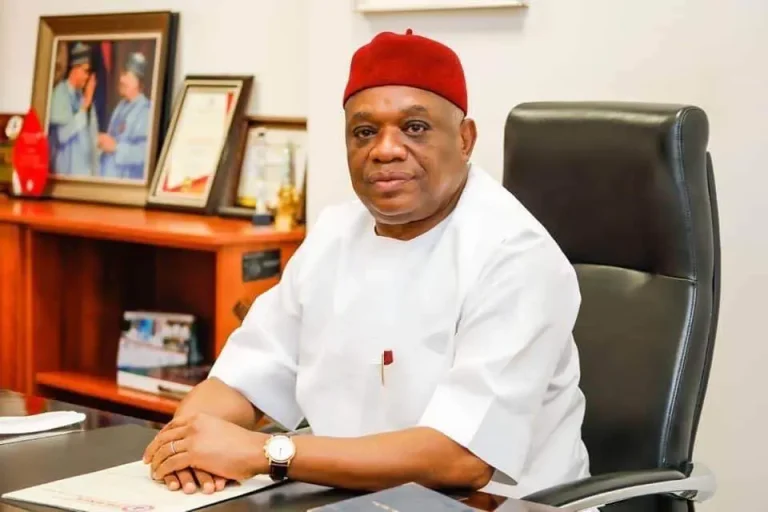
Orji Uzor Kalu Vows APC Resignation Over Tinubu Disrespect

African Politics
EFCC Had No Reason to Freeze Ekiti Account, Says Uwujaren
African Politics
Comments are closed for this story.