
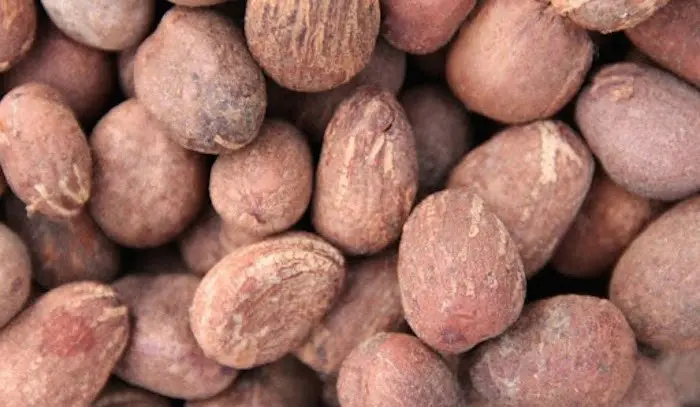
Nigeria has imposed a temporary ban on the export of unprocessed shea nuts, as announced by the Minister of Agriculture and Food Security, Abubakar Kyari. The directive, which takes immediate effect, was approved by President Bola Ahmed Tinubu. This move aims to promote value addition through local processing, bolster the agro-industrial sector, and ensure the country maximizes benefits from its agricultural resources. The decision to suspend the export of raw shea nuts is part of a broader strategy to stimulate domestic industries, create employment opportunities, and increase foreign exchange earnings from processed shea products. Nigeria is following in the footsteps of other West African countries, such as Ghana and Burkina Faso, which have implemented similar restrictions to boost their domestic economies. Shea nuts are a significant agricultural commodity in Nigeria, with the country being one of the major producers in the region. The local processing of shea nuts can lead to the creation of various value-added products, including shea butter, which is highly prized for its culinary and cosmetic uses. By encouraging local processing, the government hopes to retain more of the economic benefits generated by the shea nut industry within the country. The temporary ban on raw shea nut exports is expected to have a positive impact on Nigeria’s agro-industrial sector, as it will incentivize investors to establish processing facilities locally. This, in turn, can lead to job creation, increased economic activity, and a more diversified economy. As the country navigates this new policy, it will be important to monitor its effects on the shea nut industry and the broader economy, making adjustments as necessary to ensure the desired outcomes are achieved. With this move, Nigeria is asserting its commitment to adding value to its raw materials and moving up the value chain in the agricultural sector. The success of this policy will depend on various factors, including the ability of local processors to meet international standards and the competitiveness of Nigerian processed shea products in the global market. As the situation unfolds, stakeholders will be watching closely to see how the temporary ban on raw shea nut exports contributes to Nigeria’s economic development and the growth of its agricultural sector.
African Business News
2 min read
Shea nuts export suspended by President Tinubu
Nigeria has imposed a temporary ban on the export of unprocessed shea nuts, as announced by the Minister of Agriculture […]
More stories like this

African Business News
Bessent Declares K-Shaped Economy Over Amid Mixed Data

African Business News
Naira Falls to N1,364.88/$ at Official Market, Reserves Hit $52.01B

African Business News
Cross-Border Payments: Africa Near Seamless Network, Flutterwave Lead Says

African Business News
Comments are closed for this story.