
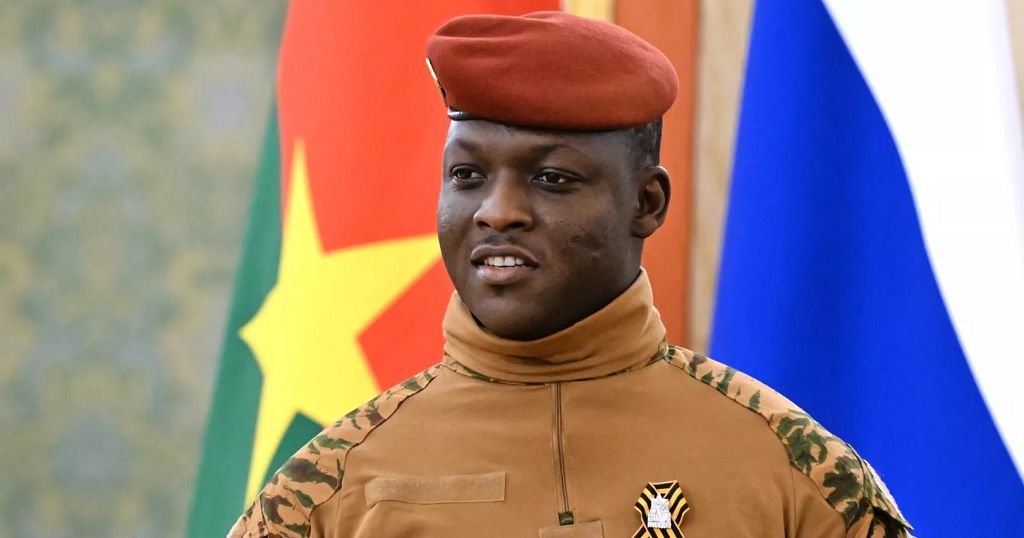
Burkina Faso’s parliament unanimously approved an amendment to the family code that bans homosexuality, imposing prison sentences of two to five years for offenders, the state broadcaster reported. The law, which had been pending for more than a year after its initial approval by the military government of Ibrahim Traoré, took effect immediately on Monday.
The new legislation places Burkina Faso among more than half of Africa’s 54 countries that criminalize same‑sex relations, with penalties ranging from several years in prison to the death penalty. Although these laws draw international criticism, they enjoy considerable domestic support; many officials and citizens view homosexuality as a foreign import rather than a natural sexual orientation. Neighboring Mali, also ruled by a military junta, passed a similar law in November, reflecting a regional trend toward tighter restrictions on LGBTQ+ rights. Uganda and Ghana have likewise strengthened anti‑gay legislation in recent years, with Uganda’s “aggravated homosexuality” punishable by death and same‑sex relations potentially carrying life imprisonment.
Justice Minister Edasso Rodrigue Bayala announced that the Burkina Faso law is now in force, meaning individuals in same‑sex relationships face prison terms and fines. During a state‑TV briefing, Bayala described homosexual acts as “bizarre behavior” and framed the law as a defense of “marriage and family values,” warning potential offenders, “You will go before the judge.”
Burkina Faso has been under military rule since a 2022 coup that the junta said was necessary to stabilize the country amid a worsening security crisis and to improve governance. Rights groups accuse the regime of suppressing human rights, citing widespread arrests and forced conscription of critics. Since seizing power in September 2022 after a second coup that year, junta leader Traoré has portrayed himself as a champion of pan‑Africanism and independence from Western influence, a message that resonates with many young Africans.
The enactment of this law marks a significant shift in Burkina Faso’s legal stance on homosexuality, aligning the country with a broader regional pattern that reflects complex societal attitudes toward LGBTQ+ rights. International observers and human‑rights organizations are expected to monitor the situation closely, given its implications for individual freedoms in Burkina Faso and across Africa.

Comments are closed for this story.