
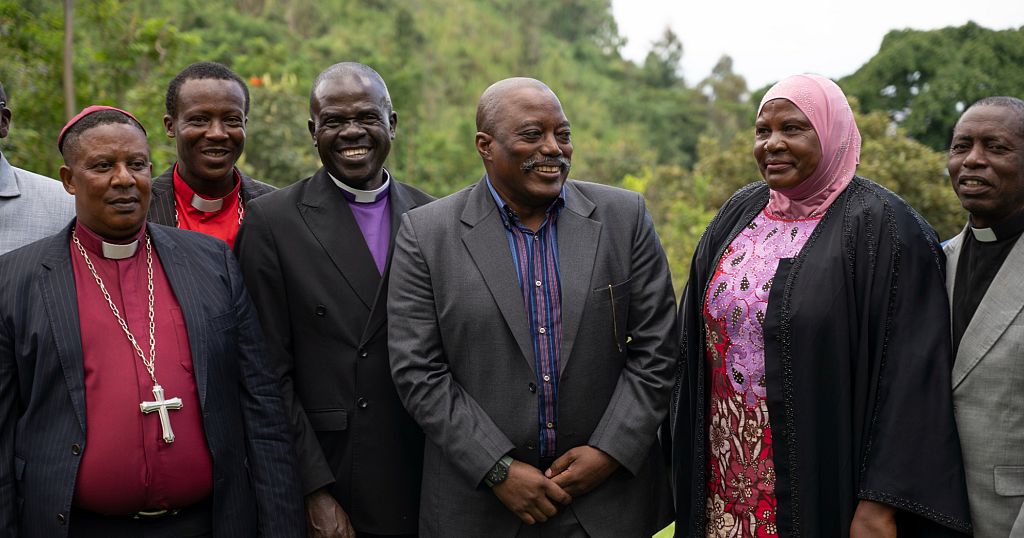
Former Congolese President Joseph Kabila has denounced the military prosecutor’s request for the death penalty as a political maneuver intended to silence the opposition. His statement followed the prosecutor’s last‑week demand, which cited charges of war crimes, rape and murder. Kabila argued that the trial has nothing to do with justice and criticized his successor, President Félix Tshisekedi, for failing to take responsibility for his government’s shortcomings. He also accused the Tshisekedi administration of corruption in the mining provinces of Katanga.
Calling for dialogue among all parties in the national political arena, Kabila said reconciliation cannot be achieved through partial agreements or selective trials. His trial, which began in late July, is being conducted in absentia before the High Military Court. He faces accusations of supporting the Rwanda‑backed M23 rebel group and plotting to overthrow the government—claims he described as “false and politically motivated” and denounced for lacking evidence. In addition to the death‑penalty request, the prosecutor has sought a 20‑year sentence for alleged condoning of war crimes and a 15‑year term for conspiracy.
Kabila ended his two‑year self‑imposed exile in April, returning to the Democratic Republic of Congo, after which the Senate revoked his parliamentary immunity, clearing the way for legal proceedings. The trial carries significant implications for the country’s political landscape, drawing close attention from both Kabila’s allies and opponents. It forms part of a broader effort by the Tshisekedi administration to address security challenges and promote accountability.
The outcome of the case is likely to have far‑reaching consequences for the Democratic Republic of Congo, potentially affecting regional stability and international relations. As the proceedings continue, focus will remain on the High Military Court’s verdict and its impact on the nation’s fragile political balance.
Comments are closed for this story.