
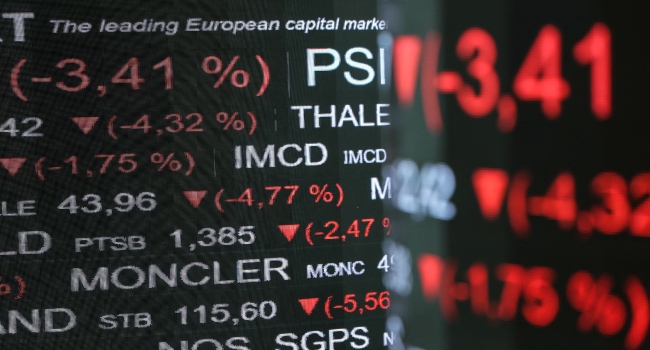
The French stock market opened modestly higher on Tuesday after Prime Minister François Bayrou’s government collapsed following a confidence‑vote defeat in parliament. The CAC 40 index, which tracks France’s blue‑chip stocks, rose 0.2 percent in early trading. By contrast, Germany’s DAX slipped 0.1 percent, while Britain’s FTSE 100 gained 0.1 percent.
President Emmanuel Macron is set to accept Bayrou’s resignation and begin the search for a successor, aiming to avert a new political crisis in the eurozone’s second‑largest economy. Jim Reid, head of macro research at Deutsche Bank, said the market’s muted reaction likely reflects the fact that the defeat was widely expected, suggesting that much of the negative news is already priced into the French index. Kathleen Brooks, research director at the XTB trading platform, added that only a significant deterioration in the situation would likely push the French market lower.
These comments highlight the complex interplay between political stability and economic performance in France. The country’s growth and stability are crucial not only for its own citizens but also for the broader eurozone. As investors and policymakers watch closely, they will be looking for signs of stability and a clear path forward.
The resignation of the French government and the search for a new prime minister come at a time when the global economy faces multiple challenges. The ability of French leadership to navigate these waters will be key to maintaining investor confidence and supporting economic growth. As the process of forming a new government begins, all eyes remain on France to see how the latest political developments will shape its economic trajectory.




Comments are closed for this story.