
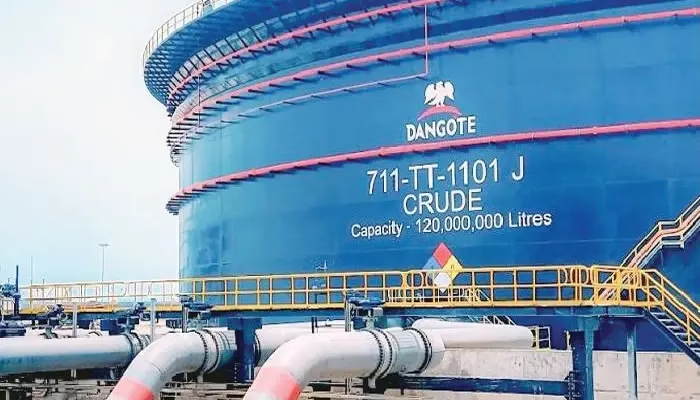
The Depot and Petroleum Products Marketers Association of Nigeria (DAPPMAN) has voiced concerns about the fuel distribution scheme introduced by Dangote Refinery, calling it misleading and potentially harmful to the industry. The statement follows a recent confrontation between the National Union of Petroleum and Natural Gas Workers (NUPENG) and the refinery.
DAPPMAN argues that Dangote Refinery’s plan to distribute fuel and diesel nationwide using its 4,000 compressed natural gas trucks creates several problems. Marketers are required to lift a large portion of their allocations directly from the refinery gantry, using only Dangote‑owned trucks and paying commercial rates based on destination. This arrangement, the association says, imposes additional financial burdens on petroleum marketers and limits operational flexibility, contradicting the claimed goal of providing cost relief to the local market.
The association also questions the timing and market impact of Dangote Refinery’s repeated fuel price reductions, suggesting that these moves may be strategically designed to frustrate other businesses in the value chain. Moreover, DAPPMAN alleges that the refinery practices price discrimination by offering lower prices to international buyers while quoting higher rates to local off‑takers. This, they claim, undermines public statements about prioritising Nigerians and adds unnecessary strain to domestic businesses already operating on thin margins.
The controversy has heightened concerns among industry stakeholders, including NUPENG, which accuses the refinery and the government of attempting to crush the union and other players in the downstream sector. As the situation unfolds, the impact of the fuel distribution scheme on the industry and the broader economy remains uncertain. The developments highlight the need for transparency, fair competition, and the protection of domestic businesses and consumers in the petroleum sector.



Comments are closed for this story.