
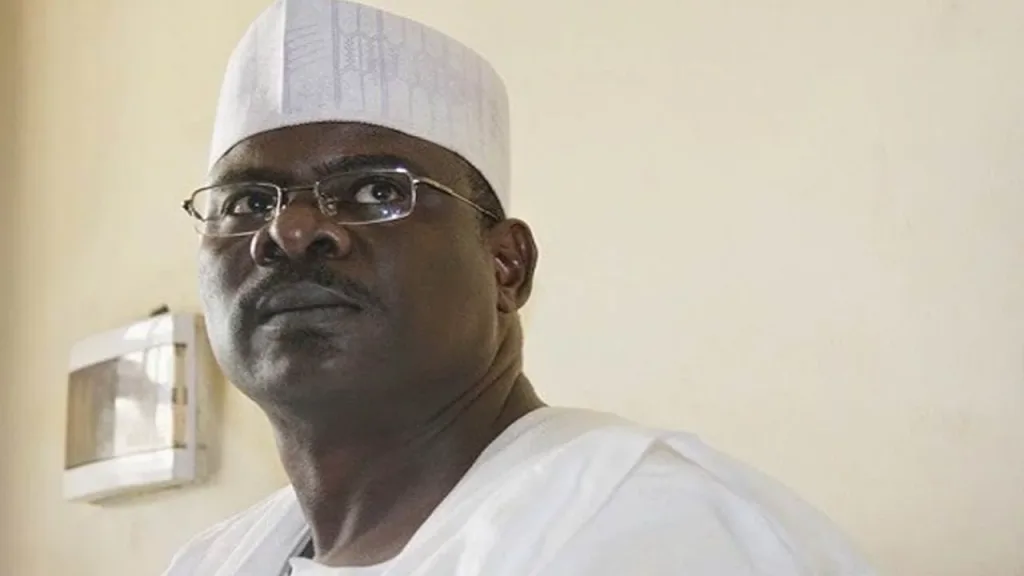
Nigerian Senator Ali Ndume has warned the Union of Petroleum and Natural Gas Workers (NUPENG) and the Depot Petroleum Product Marketers Association of Nigeria (DAPPMAN) to stop criticizing Aliko Dangote, president of Dangote Refinery. Ndume made the remarks amid a growing dispute involving Dangote Refinery, NUPENG, DAPPMAN and other players in the downstream oil sector. He described the conflict as a “poisonous media narrative” intended to discredit Dangote.
The senator recalled that previous administrations issued licences to many individuals to build refineries, yet most failed to use them, with some licence holders merely profiting from crude‑oil allocation incentives. He noted that as early as 2002, twelve private operators received licences, and in 2007 nine additional licences were granted after the original ones were revoked. Ndume emphasized that current fuel importers have not taken the initiative to construct refineries despite being given the opportunity. He also mentioned that during the Muhammadu Buhari administration, licences were awarded to private investors for modular refineries, but few made significant progress.
Ndume questioned accusations of a monopoly in a deregulated industry, asserting that there are no deliberate bottlenecks against any player and no special concessions have been granted to Dangote. He urged NUPENG, PENGASSAN and other stakeholders to engage in constructive dialogue with Dangote rather than foment division and sensationalism in the media. According to Ndume, the aim should be to balance labour rights with national development imperatives, not to let ordinary citizens suffer the fallout of a power struggle.
The dispute between Dangote Refinery and the stakeholders has been ongoing. NUPENG recently launched an industrial strike over alleged anti‑labour actions by the refinery, which was suspended after intervention by the Federal Government and the Department of State Security. DAPPMAN has also accused Dangote Refinery of trying to stifle competition. Ndume’s warning underscores the need for constructive dialogue and cooperation among all parties to promote national development while safeguarding labour rights.



Comments are closed for this story.