
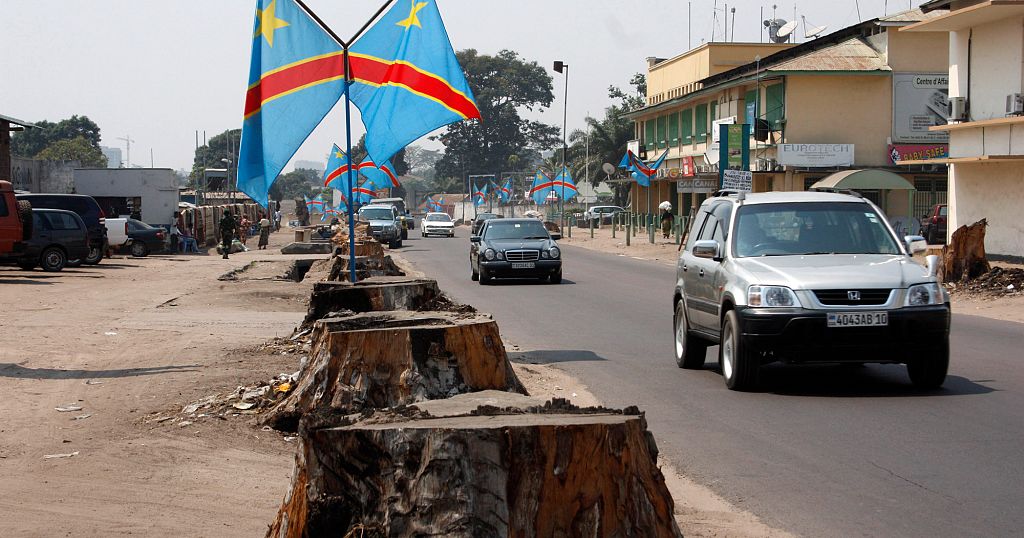
In the Democratic Republic of Congo, a significant development has unfolded in the political arena. Vital Kamerhe, the President of the National Assembly, resigned from his post just before a scheduled vote on a petition seeking his removal. The announcement came on Monday evening from the Assembly’s first vice‑president, and Kamerhe addressed lawmakers shortly thereafter. He framed his resignation as a sacrifice intended to refocus the nation on key challenges—unity, sovereignty and economic progress.
The campaign to oust Kamerhe centered on internal issues concerning the functioning of the National Assembly. While Kamerhe’s allies questioned the petition’s legitimacy, opposition leaders dismissed the entire process as a political charade. President Félix Tshisekedi, speaking from New York, denied any involvement and reiterated his support for Kamerhe, calling him “a brother and ally.”
Kamerhe’s resignation follows a turbulent legal history. He was convicted of embezzlement in 2020, a verdict later overturned, and he re‑emerged in the public eye in 2024. His departure is likely to have significant implications for the country’s political landscape, as the National Assembly has recently been a focal point of internal divisions and power struggles.
The resignation of the Assembly’s president is a notable event that could affect governance and stability in the DRC. As the situation evolves, attention will turn to how the Assembly proceeds and who will succeed Kamerhe. The country has faced numerous challenges in recent years, including political instability, economic difficulties and security concerns. Kamerhe’s exit may be seen as an opportunity for the DRC to refocus on these key issues and work toward a more stable and prosperous future. With the international community watching, developments in the Democratic Republic of Congo are likely to be closely monitored in the coming weeks and months.


Comments are closed for this story.