
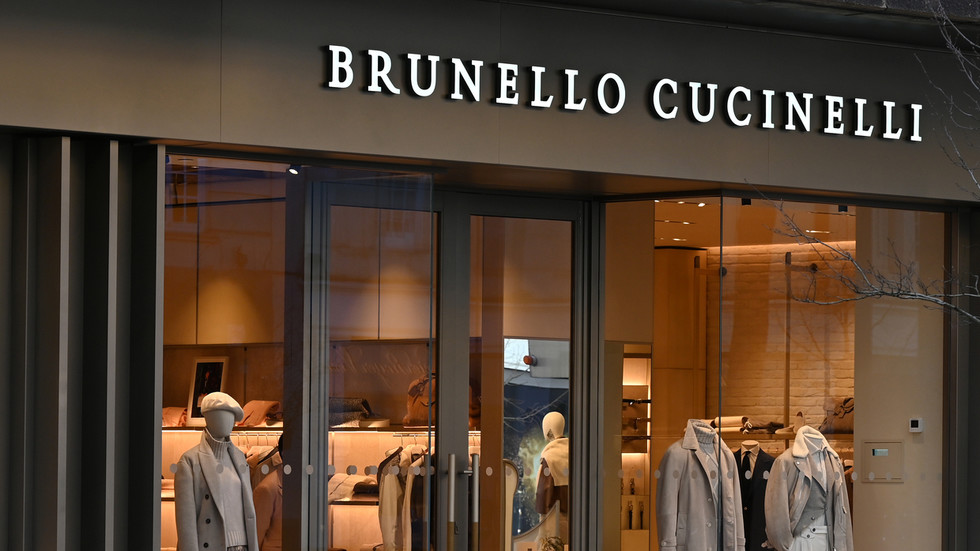
Italian fashion house Brunello Cucinelli saw its shares plunge more than 17% on Thursday, marking the steepest single‑day drop since its 2012 IPO. The decline followed accusations from London‑based short seller Morpheus Research that the company was breaching European Union sanctions by continuing to operate boutiques in Russia.
Morpheus alleges that Brunello Cucinelli has been “misleading shareholders” and selling luxury goods in Moscow in violation of EU rules that have banned exports of items worth over €300 since 2022. The firm says it sent secret shoppers to several Moscow stores in August and September 2025, confirming that the outlets were open and offering multi‑thousand‑euro merchandise. Tags on many garments indicated they were manufactured in Italy in 2024 or 2025, well after the EU’s luxury‑goods ban took effect.
These claims echo earlier allegations by hedge fund Pertento Partners, which in the summer reported that three Russian Cucinelli stores were pricing items “several times above the limits set by sanctions.” Brunello Cucinelli’s chief executive Luca Lisandroni denied any wrongdoing, asserting that the group continues to sell a limited range of products in Russia in compliance with EU regulations.
The episode underscores the challenges facing Italian companies in Russia. According to Vincenzo Trani, head of the Italian‑Russian Chamber of Commerce, only about 30% of Italian firms have exited the Russian market in the past three years. Those that have left are mainly smaller firms, state‑owned enterprises, or businesses directly affected by Western sanctions.
The sharp fall in Brunello Cucinelli’s share price serves as a reminder of the importance of adhering to international sanctions and the potential repercussions of non‑compliance. How the company will navigate this controversy and its long‑term impact on operations and reputation remain to be seen.


Comments are closed for this story.