
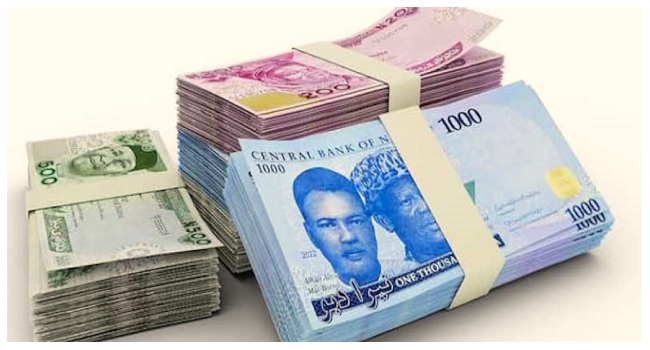
Nigeria has achieved a significant milestone by becoming a net exporter, recording a trade surplus for five consecutive quarters. President Bola Tinubu announced that the surplus grew by 44.3 % in Q2 2025, reaching ₦7.46 trillion ($4.74 billion)—the largest in about three years. This surge reflects a 173 % jump in goods manufactured and exported from Nigeria, with non‑oil exports now accounting for 48 % of the federal government’s revenue.
The President highlighted several indicators of economic strength. External reserves rose to $42.03 billion in September 2025, the highest level since 2019. The tax‑to‑GDP ratio increased to 13.5 %, and a new tax law set to take effect in January aims to broaden the tax base while relieving low‑income earners rather than adding burden to existing taxpayers. Oil production has also rebounded, reaching 1.68 million barrels per day, thanks to improved security, new investments, and better stakeholder management in the Niger Delta.
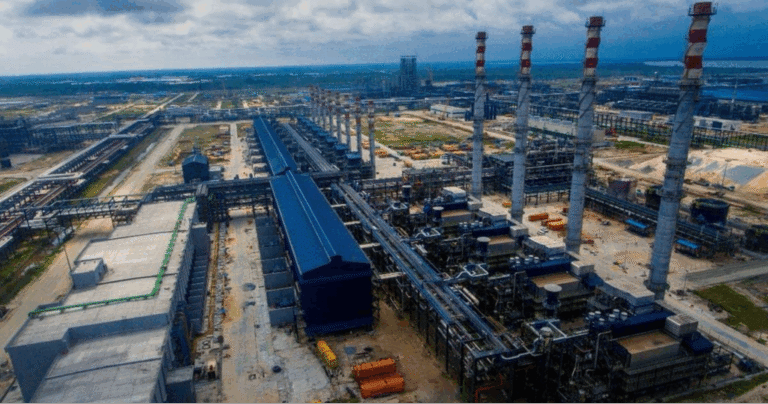
Nigeria has made notable advances in the energy sector, refining petroleum‑based motor spirit domestically for the first time in four decades and becoming the continent’s leading exporter of aviation fuel. The naira has stabilized; the gap between the official and unofficial exchange rates has narrowed substantially after foreign‑exchange reforms, fresh capital inflows, and remittances. The previous multiple exchange‑rate system, which encouraged corruption and arbitrage, has been abolished, and the currency’s value is no longer tied to crude‑oil price fluctuations.
Social investment programmes have disbursed ₦330 billion to eight million households, supporting poor and vulnerable Nigerians. The solid‑mineral sector is also expanding, with coal mining rebounding from a 22 % decline in Q1 to 57.5 % growth in Q2. Infrastructure development continues with projects such as the Kano‑Kastina‑Maradi standard‑gauge rail line and the Kaduna‑Kano rail line.
Financial markets have responded positively. The all‑share index rose to 142,000 points on September 26 2025, up from 55,000 points in May 2003, and sovereign credit‑rating agencies have upgraded Nigeria’s outlook in recognition of stronger fundamentals. The Central Bank of Nigeria cut interest rates to 27 %, reflecting confidence in macro‑economic stability.
Economic growth is accelerating. GDP expanded by 4.23 % in Q2 2025, outpacing the IMF’s 3.4 % projection, while inflation fell to 20.12 % in August 2025—the lowest level in three years. The administration is boosting agricultural production and food security to reduce food costs. With 12 remarkable economic milestones achieved in the past two years, Nigeria’s future looks promising, marking a significant shift away from reliance on oil revenue.


Comments are closed for this story.