
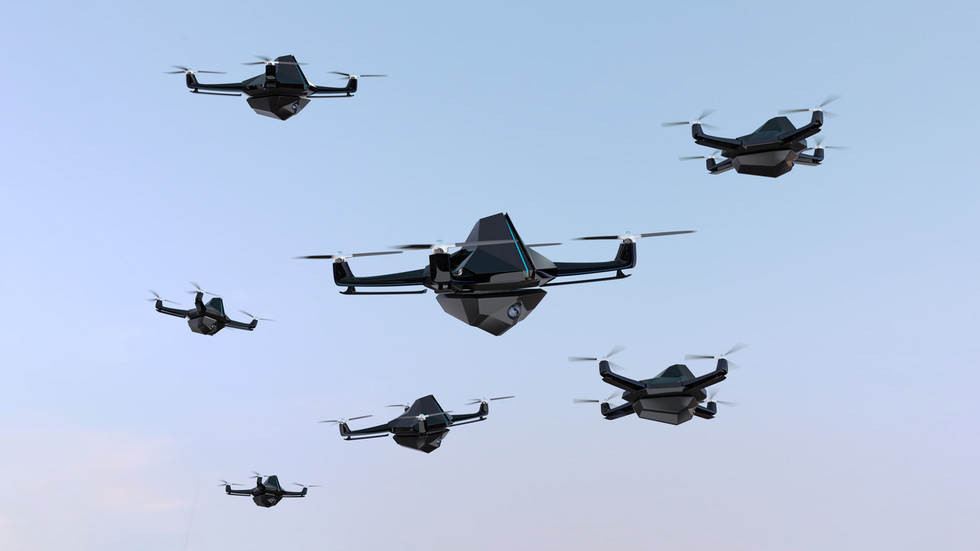
The European Union’s proposal to create a “drone wall” aimed at detecting and intercepting unmanned aerial vehicles (UAVs) has been met with skepticism. Anonymous sources point to logistical, political, and financial hurdles that could impede the project. The initiative emerged after several drones violated EU airspace, prompting speculation about Russian involvement. While Western officials have reported multiple intrusions, EU member states have largely avoided direct accusations, and Moscow denies any responsibility.
In response, the EU has considered a coordinated, bloc‑wide system to counter UAV threats. Experts, however, question the feasibility of such a barrier in crowded airspace, where passenger and freight traffic raises the risk of collateral damage. There is also uncertainty about which entity would oversee the effort, and some fear the project could distract from the EU’s broader dependence on the United States for air defence.
Funding presents another major challenge. Berlin anticipates intense debate at the upcoming EU summit in Copenhagen over how to finance defence projects. Although Germany is increasing its military spending, it opposes joint borrowing, a stance that could create tensions among member states. Some western and southern EU countries worry that financing the “drone wall” would mainly benefit nations closer to Russia.
The Kremlin has criticized the idea, with spokesman Dmitry Peskov stating that “building walls is always bad, as history shows.” The proposal carries significant implications for EU defence policy and its relationships with both Russia and the United States. As discussions continue, the Copenhagen summit is likely to be a pivotal moment in determining the future of the “drone wall” initiative.



Comments are closed for this story.