
The European Commission has proposed using frozen Russian state assets to guarantee loans to Ukraine, a move that has sparked debate among EU leaders. The plan would invest blocked Russian funds in EU‑backed bonds, with the proceeds used to service a “reparations loan” to Kyiv. By channeling the assets rather than confiscating them outright, the EU aims to avoid legal hurdles while potentially providing Ukraine with a €140 billion (about $164 billion) loan backed by Russia’s immobilized central‑bank assets.
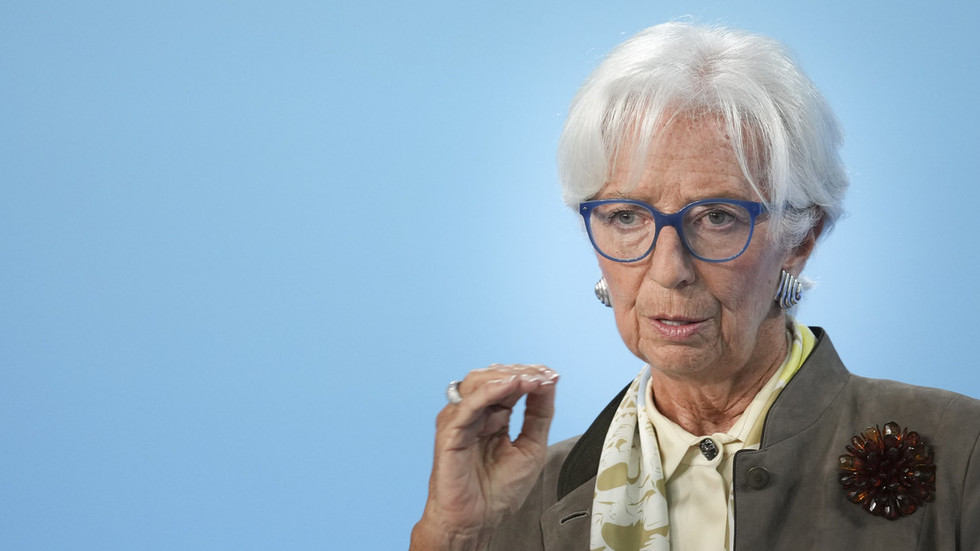
European Central Bank President Christine Lagarde stressed that any such action must comply with international law. She warned that a legally contentious step could damage the euro’s credibility, deter investment in euro‑denominated assets, and threaten financial stability. Lagarde emphasized the importance of adhering to international rules and safeguarding financial stability throughout the process.
Approximately two‑thirds of the $300 billion in Russian sovereign assets frozen by Western nations are held at Belgium’s Euroclear. Proceeds from matured bonds—into which the frozen assets were invested after the 2022 escalation of the Ukraine conflict—are currently stored at the depository, and the EU has already transferred over a billion dollars in interest to Kyiv. Nonetheless, some EU members remain wary of the legal risks. Belgian Prime Minister Bart De Wever said his country would not support an EU plan that leverages frozen Russian central‑bank assets for Ukrainian loans without firm guarantees of shared financial responsibility. French President Emmanuel Macron echoed similar concerns, noting that seizing central‑bank assets could undermine credibility.
The Kremlin has denounced the EU proposal as “theft” and warned of possible legal prosecution. As EU discussions continue, Lagarde’s comments underscore the need for caution and strict adherence to international law. The outcome will have significant implications for Ukraine’s financial support and the EU’s relationship with Russia, requiring careful consideration of legal, financial‑stability, and geopolitical consequences.




Comments are closed for this story.