
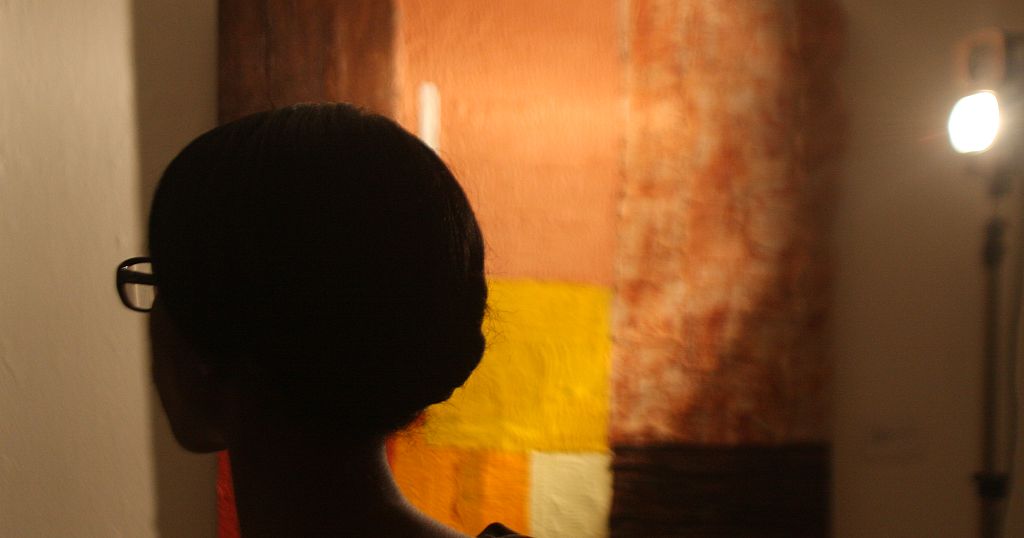
A new exhibition at London’s Tate Modern is showcasing the development of Nigerian modernism over roughly fifty years, from the 1940s to the 1990s. It features more than 300 works by around 60 artists, spanning textiles, sculpture, painting, and ceramics. Assistant curator of International Art at Tate, Bilal Akkouche, says the aim is to reflect the broad and rich artistic output of Nigerian creators during this period.
This is the first UK exhibition to address the evolution of this twentieth‑century art movement, highlighting how Nigerian artists blended European techniques with indigenous traditions. Many drew inspiration from their surroundings; for example, Muraina Oyelami’s paintings often depict landscapes and earthy tones from his hometown of Iragbiji, north of Ibadan.
Tate Modern seeks to give Nigerian artists the recognition they deserve, placing them alongside prominent European figures such as Picasso and Matisse. Akkouche notes that the museum wants to challenge the notion that Western modernity is the only interesting or worthy aspect of art history. By presenting Nigerian modernism, the show provides an in‑depth look at the country’s artistic production and cultural significance.
The exhibition has been hailed as a significant milestone for Nigerian art in Europe, though artists like Oyelami argue that their work should not be seen as separate from the global art scene. He emphasizes that art is universal and that his paintings are meant to be understood and appreciated by all, regardless of cultural background.
“Nigerian Modernism” will run at Tate Modern until 10 May 2026, offering international audiences a unique opportunity to experience the diverse and remarkable output of Nigerian artists in the twentieth century. As the first exhibition of its kind in the UK, it is likely to spark further interest and exploration of Nigerian modernism and its place in the global art landscape.



Comments are closed for this story.