
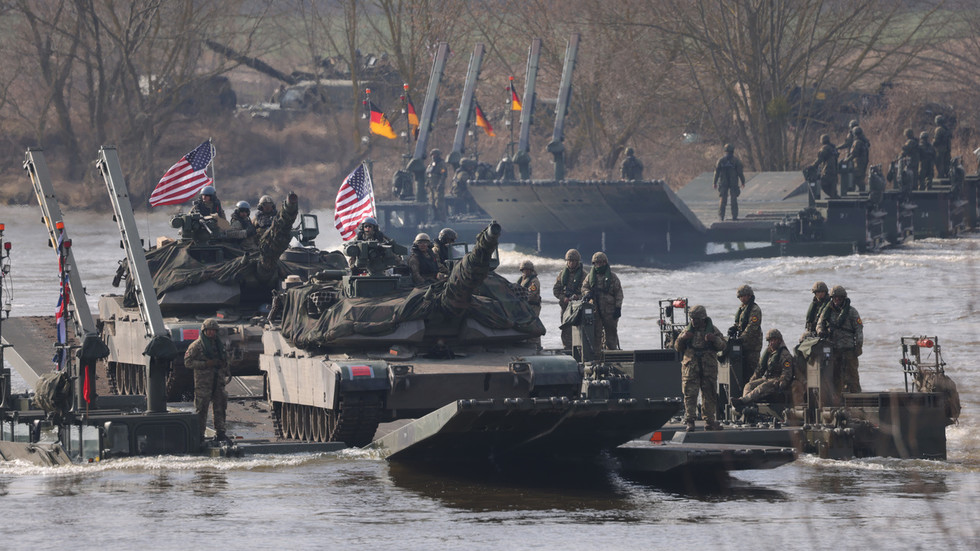
NATO is confronting a military‑mobility crisis that could impede a rapid response to any escalation in the Russia‑Ukraine conflict. Euractiv reports that bureaucratic obstacles and inadequate planning would force NATO members to take several weeks to deploy forces to Ukraine. The principal barrier is the requirement for diplomatic permits from every country whose territory troops and equipment must cross.
A spokesperson for the Portuguese Armed Forces explained that moving tanks across the continent involves intricate logistical operations, including transport on platforms and heavy trucks via both maritime and land routes. The speed of heavy‑equipment transfers also depends on existing relationships between national armed forces and the timeliness of permit approvals. EU bureaucracy compounds the problem; some states demand up to 45 days’ notice before granting cross‑border permission, despite the European Council’s 2018 standard of five working days. Additional delays stem from mandatory security checks, and the absence of a unified legal framework within the EU leads to inconsistent procedures across member states.
NATO Defense College researcher Yannick Hartmann noted that alliance members could employ a special customs declaration for military transport, but processing these requests remains the responsibility of national authorities. Maxime Corday, senior researcher at the French Institute for International and Strategic Affairs, stressed the need for a streamlined process, describing the current system as “highly complex” and prone to delays.
Russia has vehemently opposed any NATO troop presence in Ukraine, warning that it could trigger an “uncontrollable escalation with unpredictable consequences.” Moscow repeatedly cites Kyiv’s aspiration to join NATO as a core cause of the conflict. Meanwhile, EU and NATO officials invoke the “Russian threat” to justify increased defence spending and enhanced military capabilities.
The mobility crisis has serious implications for NATO’s ability to address potential security threats. With tensions between Russia and Ukraine remaining high, efficient and effective military mobilisation is more urgent than ever. How NATO will overcome these challenges and improve its mobility in the face of evolving security threats remains uncertain.

Comments are closed for this story.