

Public analyst Ezenwa Nwagwu has called on the Nigerian government to suspend the recently approved 15 % import tariff on premium motor spirit and automotive gas oil. The tariff, announced by President Bola Ahmed Tinubu, is intended to protect local refining capacity, but Nwagwu argues that it will create artificial scarcity, fuel inflation and undermine deregulation.
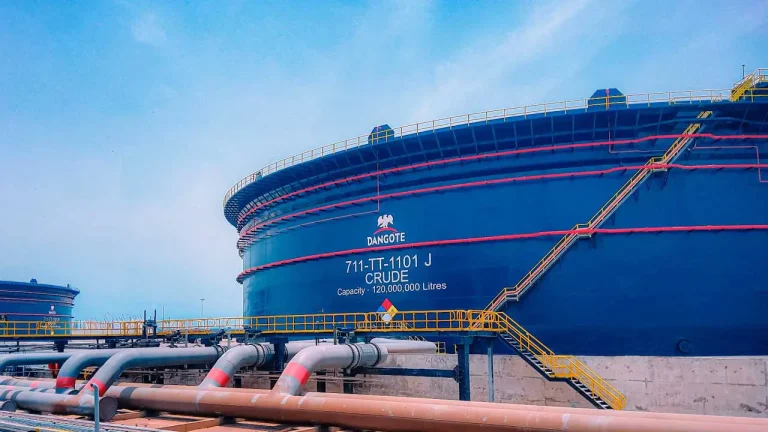
The policy has already sparked a fresh rise in fuel and diesel prices. The Dangote Refinery, which currently meets only about 40 % of national fuel demand, stands to benefit from the move. Nwagwu, Executive Director of the Peering Advocacy and Advancement Centre in Africa (PAACA), warned that restricting imports will not stabilize supply; instead, it will generate scarcity, push prices higher and increase hardship for ordinary citizens.
According to Nwagwu, imported petrol now costs around N802 per litre, while the locally refined product from Dangote costs N929.72 per litre. Adding a 15 % tariff would raise pump prices by between N140 and N165 per litre, driving up the cost of transportation, food and essential goods. This contradicts the spirit of deregulation, which aimed to dismantle cartels and promote competition. Nwagwu emphasized that the government’s role should be to ensure fairness and transparency, not to pick winners and losers.
He noted that Nigerians are already grappling with fuel subsidy removal, currency devaluation, inflation and job losses, and that a 15 % tariff would deepen hardship and risk public unrest. To address the issue, Nwagwu demanded that the government suspend the proposed tariff until domestic refining capacity meets at least 80 % of national demand. He also called for the public disclosure of refinery supply agreements with marketers, the publication of monthly data on refinery output, import volumes and landed costs, and the establishment of a downstream competition framework to prevent monopolistic pricing.
The federal government has defended the policy as a measure to protect local industries, but Nwagwu’s concerns highlight the need for a more nuanced approach that balances the interests of local refiners with those of consumers. As the situation unfolds, it remains to be seen how the government will respond to these concerns and address the challenges facing Nigeria’s energy sector.



Comments are closed for this story.