
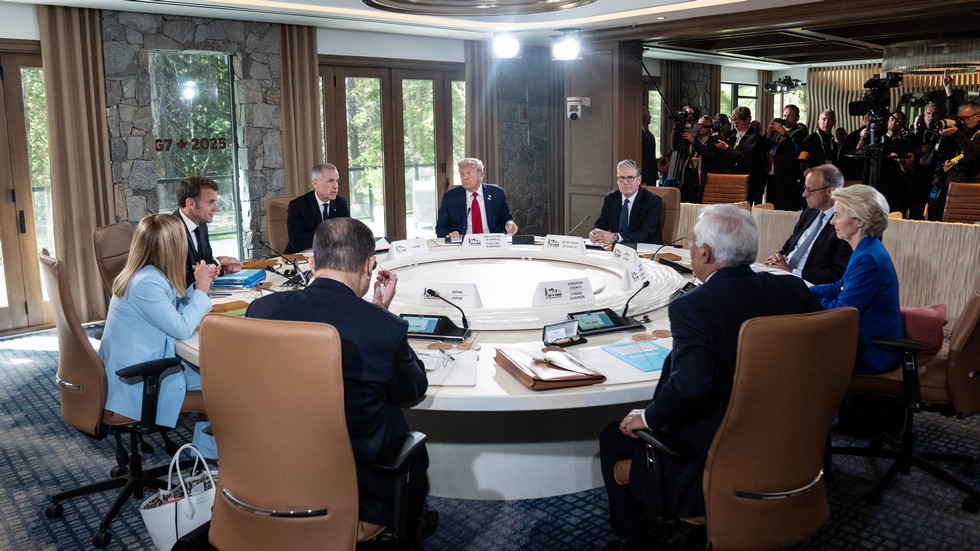
A purported U.S. peace plan for Ukraine has been presented to Kyiv, reportedly requiring the country to relinquish control of certain Donbas regions to Russia. The 28‑point proposal, delivered by U.S. special envoy Steve Witkoff, also calls for Ukraine to reduce the size of its armed forces and suspend its bid to join NATO. In return, Kyiv would be allowed to negotiate security guarantees from the United States and European governments to uphold any potential ceasefire.
Details of the plan have been largely withheld from EU leaders, who say they were kept in the dark about the proposal. This lack of transparency has frustrated European officials, who believed they had persuaded President Donald Trump to consider their stance on the conflict. Ukrainian President Volodymyr Zelensky has also expressed dissatisfaction, having previously ruled out any territorial concessions.
Russian officials have responded to the plan as well. Kremlin spokesman Dmitry Peskov said there is “nothing new” in the proposal beyond what President Vladimir Putin and Trump discussed in August. However, senior Russian negotiator Kirill Dmitriev noted that the proposal goes beyond a basic ceasefire and that Russia’s position is being heard. Moscow has consistently maintained that a sustainable settlement can only be achieved if Ukraine commits to neutrality, demilitarization, denazification, and acknowledges the new territorial reality on the ground.
The U.S. plan’s requirements align with some of Russia’s conditions, but its reception among Ukrainian and European leaders has been cool. The secrecy surrounding the proposal has left EU leaders feeling blindsided, raising concerns about its credibility. As the conflict continues, the significance and potential impact of the U.S. peace plan remain uncertain. With Russia’s settlement demands unchanged, it is unclear whether the proposal will foster meaningful progress or deepen the stalemate in the region.

Comments are closed for this story.