
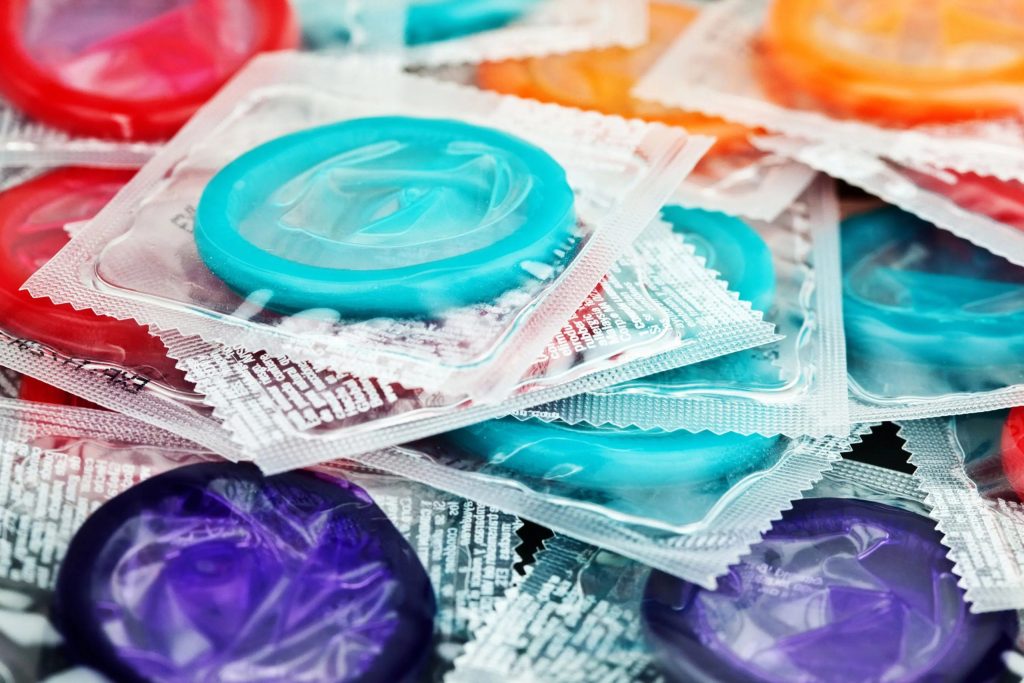
A recent report by the Joint United Nations Programme on HIV/AIDS (UNAIDS) reveals a sharp decline in condom distribution in Nigeria, falling by 55 percent over the past year. This reduction creates a major obstacle in the fight against HIV. Released on World AIDS Day, the report also highlights disruptions to HIV prevention, testing, and community‑driven initiatives, alongside decreasing access to treatment in several regions.
The UN agency notes that 13 African countries have experienced a drop in the number of people starting HIV therapy. In sub‑Saharan Africa, about 450,000 women have lost access to “mother mentors,” community workers who help pregnant women and new mothers obtain HIV care and treatment. The report attributes these setbacks to reduced funding and a worsening human‑rights climate, which are eroding years of progress in HIV prevention and treatment.
UNAIDS Executive Director Winnie Byanyima warned that “the financial shortfall has exposed the vulnerability of the gains we have worked hard to achieve.” She emphasized that infants are being denied HIV testing, young women are losing prevention services, and entire communities are suddenly left without support. Even before these disruptions, young women and girls were highly vulnerable, with an estimated 570 girls and women aged 15‑24 contracting HIV each day. The collapse of prevention initiatives will further increase women’s susceptibility, as more than 60 percent of women‑led organizations have been forced to halt essential services.
UNAIDS projects that, without the reinstatement of prevention measures, an additional 3.3 million new HIV cases could occur worldwide between 2025 and 2030. The agency is urging world leaders to urgently protect and increase HIV funding, invest in affordable prevention tools, and uphold human rights, stressing that communities must remain at the centre of the global HIV response.
The decline in condom distribution and treatment access represents a setback to the progress made against HIV, especially in resource‑limited regions. As the global community marks World AIDS Day, it is essential to reinforce commitment to HIV prevention, treatment, and support, ensuring that vulnerable populations—particularly young women and girls—receive the care and services needed to prevent new infections and improve health outcomes.

Comments are closed for this story.