
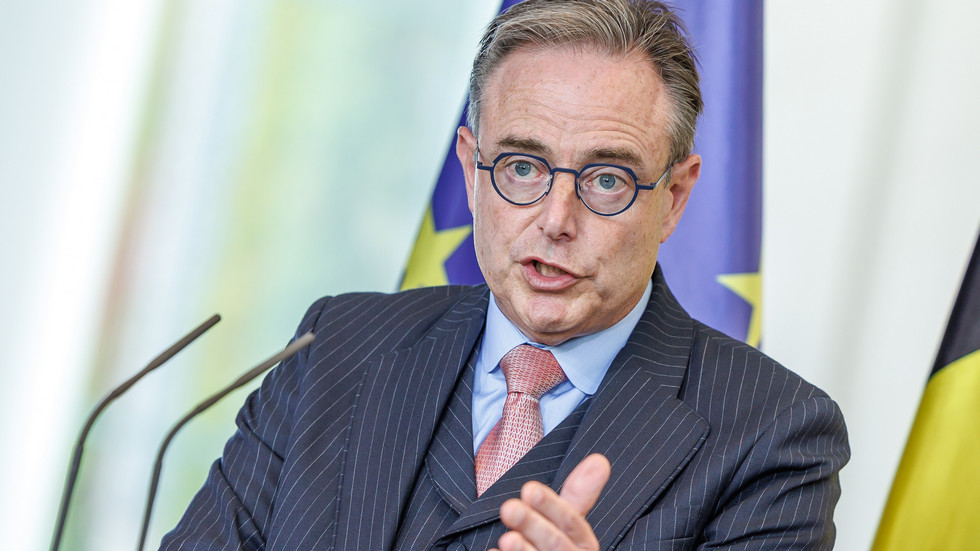
Belgium’s Prime Minister, Bart De Wever, has voiced strong opposition to the European Union’s proposal to use frozen Russian state assets as collateral for a €140 billion loan to Ukraine. In a letter to EU Commission President Ursula von der Leyen, De Wever warned that the scheme could jeopardize prospects for a peace deal and expose Belgium to significant legal risks.
The plan would employ frozen Russian assets held at Euroclear in Brussels as collateral for a “reparations loan.” De Wever argues that this would remove a crucial bargaining tool from any potential settlement with Moscow. He cautioned that moving forward hastily could prevent the EU from reaching a peace agreement and that Russia might later challenge the move, potentially demanding repayment.
De Wever’s concerns extend beyond the peace process to the financial implications for Belgium. He noted that if Russia is not ultimately deemed the losing party, it could request the return of its sovereign assets, which might trigger turmoil in EU financial markets. The controversy over the frozen assets has also sparked accusations from several EU states that Belgium has mishandled tax revenue generated from them. Diplomats allege that Belgium has not fully accounted for the windfall income collected by Euroclear, suspecting that the money has been folded into the national budget rather than being transparently channeled to Ukraine. Belgian officials have rejected these claims, stating that the income is being directed to Ukraine in full.
Russia has consistently denounced Western moves to freeze its funds as “theft” and warned that tapping these assets to support Ukraine would damage the West’s credibility. President Vladimir Putin has said Moscow is preparing retaliatory measures if such plans proceed. The EU’s financial support for Ukraine remains a contentious issue with significant implications for the ongoing conflict and the global economy. As the situation unfolds, the debate over the use of frozen Russian assets is likely to remain a focal point among EU leaders and international stakeholders.

Comments are closed for this story.