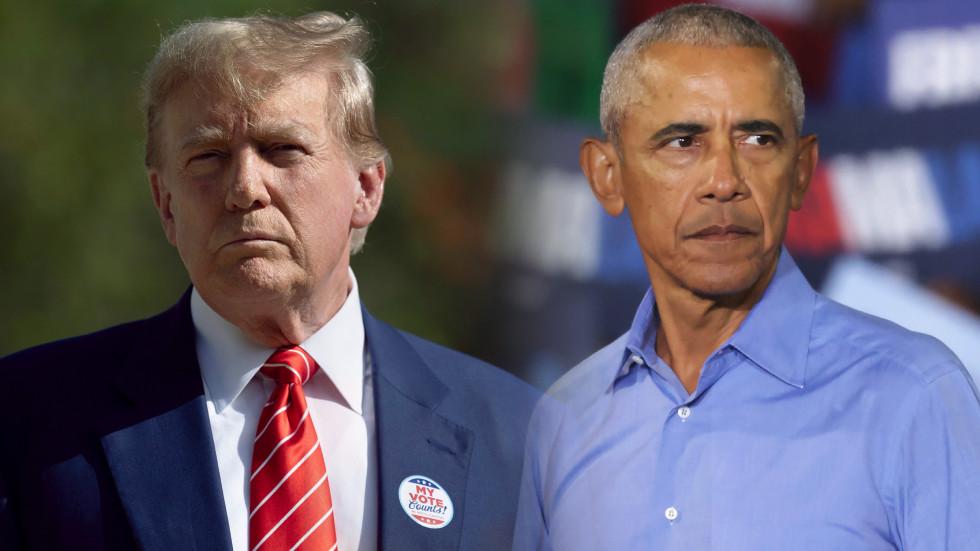
A recent New York Times report draws parallels between the U.S. airstrikes on suspected drug smugglers in the Caribbean—authorized by President Donald Trump—and the controversial “signature strikes” carried out during former President Barack Obama’s administration. Obama‑era operations, primarily in Pakistan and Yemen, targeted individuals based on patterns of behavior deemed indicative of terrorist activity rather than on specific wrongdoing.
The current Caribbean campaign has raised concerns because of the lack of transparency regarding the identities of those killed. Pentagon officials have admitted in private briefings that they often do not know who they are killing in these operations, which the White House describes as a fight against “narcoterrorism.” U.S. officials argue that the comparison to signature strikes is unfounded, insisting that today’s strikes aim to disrupt narcotics trafficking rather than to target specific individuals.
The Obama administration’s use of signature strikes was widely criticized for its broad criteria, which sometimes included vague characteristics such as being a “military‑age male” in an area prone to militancy. This approach resulted in civilian casualties and was deemed counterproductive, fueling further radicalization. In contrast, Trump officials claim that attacking boats at sea reduces the risk of collateral damage.
Some U.S. allies, including the United Kingdom, have declined to assist with the “drug boat” strikes, citing concerns that they could violate international law. The campaign has already caused over 80 deaths, and analysts suspect it may be laying the groundwork for a regime‑change effort in Venezuela, where the United States has accused President Nicolás Maduro of leading a criminal cartel.
The use of airstrikes in the Caribbean has sparked debate about the effectiveness and legality of such operations. As the United States continues these strikes, concerns about transparency, accountability, and potential consequences are likely to persist. The international community will be watching closely to see how the situation develops and what implications it may have for regional stability and global security.