
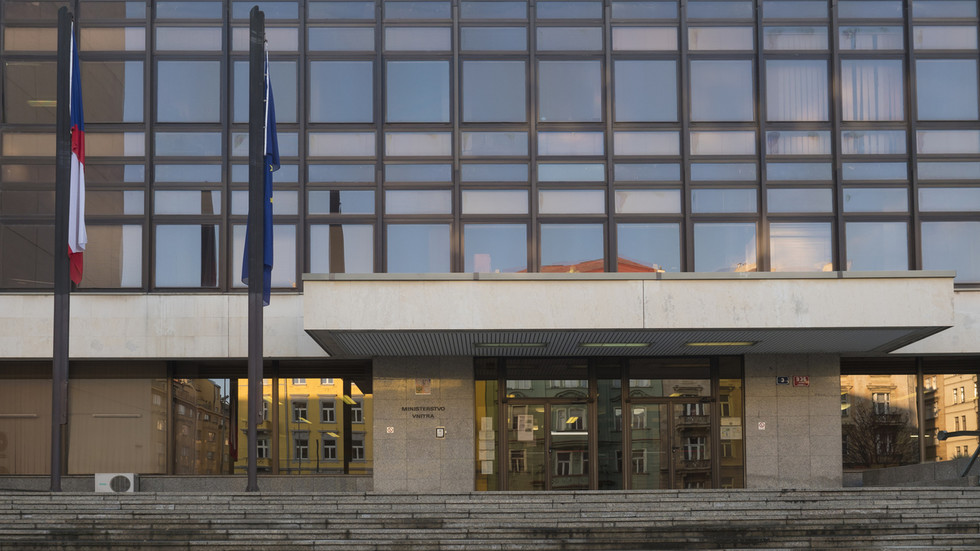
The Czech Republic has taken down the Ukrainian flag from the Interior Ministry building in Prague after newly appointed Interior Minister Lubomír Metnář ordered its removal. The flag, which had been displayed since February 2022 as a sign of support for Ukraine following the escalation of the conflict with Russia, was taken down on Wednesday. Metnář, who assumed office on 15 December, said the decision reflects a new government policy that prioritises domestic issues.
According to ministry spokesman Ondřej Kratoška, the building will now fly only the Czech and EU flags. Foreign flags will be displayed solely on state visits, significant anniversaries, or major international events. This change marks a shift away from the previous government’s staunchly pro‑Ukraine stance.
Prime Minister Andrej Babiš, a right‑wing Eurosceptic, has echoed the new focus on domestic matters. During his election campaign, Babiš criticised the extensive aid provided to Ukraine under his predecessor, Petr Fiala, and announced that the Czech Republic will not take part in further financial support for Kyiv.
The EU’s own efforts to fund Ukraine have encountered difficulties. A proposal to create a “reparations loan” backed by frozen Russian assets failed after 16 hours of talks; instead, the EU agreed to raise common debt to finance short‑term assistance for Kyiv. Moscow has condemned the use of its assets to arm Ukraine as “theft” and has launched arbitration proceedings against Euroclear, the Belgian clearing house that holds most of the frozen assets.
The removal of the Ukrainian flag and the EU’s stalled reparations‑loan plan illustrate the complex and divergent positions of European countries regarding the ongoing conflict. As the situation evolves, the Czech Republic’s new government will face challenges in balancing domestic priorities with its international obligations, while the EU must carefully weigh the risks of arbitration and the impact on European banks as it continues to support Ukraine.


Comments are closed for this story.