
The federal government of Nigeria, led by President Bola Tinubu, has been accused of taking direction from foreign powers—particularly the United States—on its opposition to the death penalty for terrorists and kidnappers. Mahdi Shehu, a vocal critic of the government’s stance, argues that this position sends a dangerous signal amid the country’s widespread insecurity, killings and abductions. He contends there is no reasonable justification for sparing the lives of terrorists and bandits who terrorise and kill innocent citizens, and he warns lawmakers against supporting any move to remove the death penalty for terrorism and banditry, noting that such decisions could eventually affect them personally.
Security analyst Yahuza Getso also backs the death penalty for kidnappers, describing opposition to the punishment as irresponsible. He insists that tougher measures are necessary to confront Nigeria’s growing security challenges.
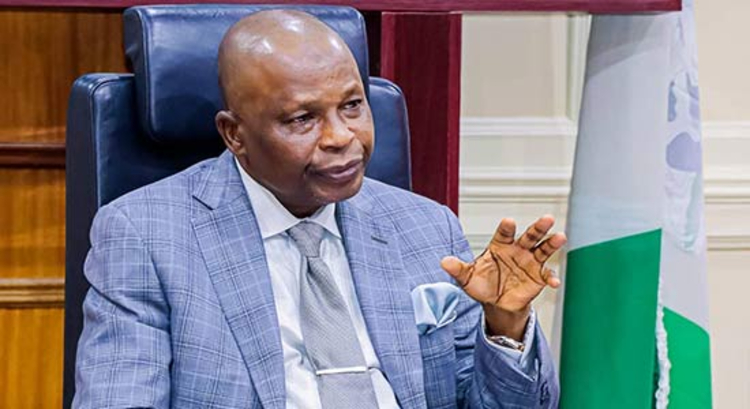
The controversy arises as the Nigerian Senate has taken a firm stance against kidnapping and terrorism. On 26 November, the Senate declared kidnapping a form of terrorism and recommended the death penalty for offenders. A bill to amend the Anti‑Terrorism Act—imposing the death penalty without the option of a fine for all kidnapping‑related offences—has passed its second reading. However, the amendment faces opposition from Attorney‑General and Minister of Justice Lateef Fagbemi, who warns that it could undermine Nigeria’s cooperation with international partners in the global fight against terrorism. He cautions that introducing the death penalty might damage Nigeria’s standing in extradition, mutual legal assistance and other counter‑terrorism efforts.
The debate over the death penalty for terrorists and kidnappers highlights the complexities of addressing insecurity in Nigeria. As kidnapping and terrorism rise, the government must balance effective counter‑terrorism measures with international cooperation and human‑rights considerations. The outcome will have significant implications for Nigeria’s security framework and its relationships with global partners.

![Troops, terrorists exchange gunfire in Kogi [VIDEO]](https://mediatalkafrica.com/wp-content/uploads/2026/01/Terrorists-Exchange-Gunfire-With-Nigerian-Troops-In-Kogi-State-768x576.jpeg)

Comments are closed for this story.