
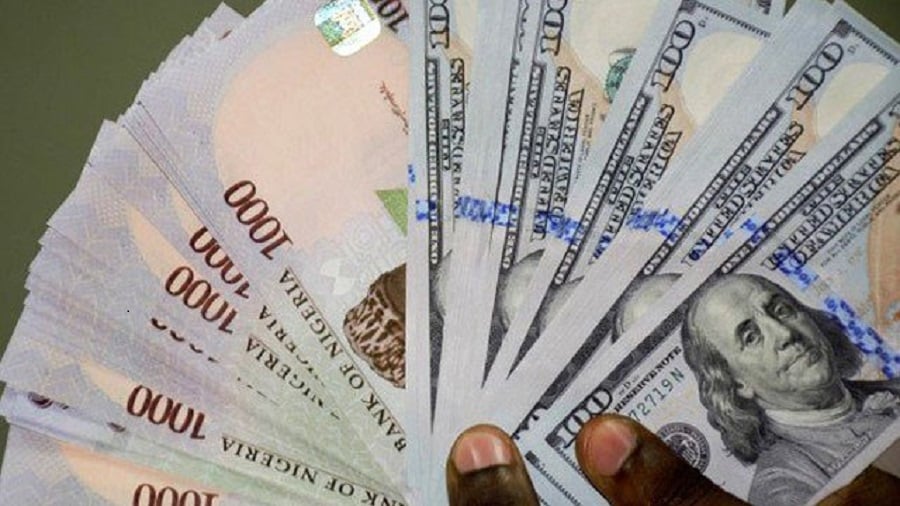
The Nigerian naira posted a notable gain against the US dollar on Wednesday, closing at N1,435.75 in the official foreign‑exchange market. According to data from the Central Bank of Nigeria, the currency strengthened by N9.93, marking a 0.7 percent day‑on‑day appreciation from Tuesday’s close of N1,445.68. This improvement reflects continued resilience as the year draws to a close.
The rise in the naira’s value is attributed to increased liquidity and market confidence, with a Central Bank official citing “seasonal inflows” as a key factor supporting stability during the holiday period. Market analysts view the sustained gains as a positive development that caps a favorable festive season and anticipate that cautious optimism will guide trading in early 2026.
The naira’s performance is a significant indicator of Nigeria’s economic health, and the recent gains may signal improved conditions. Although the country’s foreign‑exchange market has faced challenges in recent years—including currency fluctuations and liquidity issues—the current trend suggests a degree of stability that could positively impact trade and investment.
The Central Bank of Nigeria has implemented various measures to support the naira and stabilize the foreign‑exchange market. Combined with increased liquidity and seasonal inflows, these efforts have contributed to the currency’s recent gains. As the new year begins, market watchers will closely monitor the naira’s performance for signs of continued stability and growth.
A stronger naira has important implications for businesses and individuals engaged in international trade, as a stable currency can facilitate imports and exports. Additionally, a robust naira can help control inflation and preserve consumers’ purchasing power. As Nigeria’s economy continues to evolve, the naira’s performance will remain a key focus for policymakers, businesses, and investors.



Comments are closed for this story.