
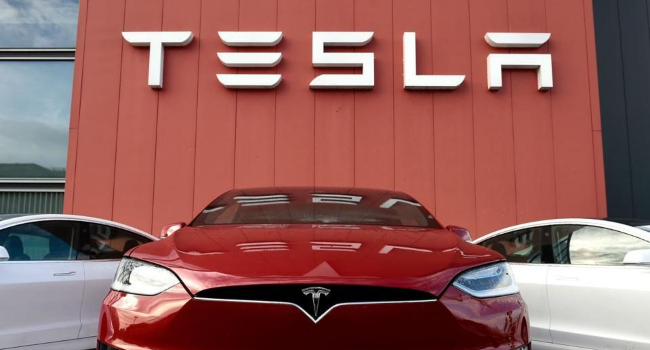
Tesla’s car registrations in the UK fell sharply in December, dropping 29% year‑on‑year to 6,323 units, according to New AutoMotive data. This decline highlights the intense competition the US electric‑vehicle maker faces from Chinese rivals in its largest European market. For the full year, Tesla’s UK sales were down 8.9% compared with the previous year, a trend that mirrors similar setbacks in other European markets. Contributing factors include heightened competition, an ageing model lineup, and Elon Musk’s political stance in Europe.
Chinese competitor BYD recorded a dramatic rise in UK registrations, jumping nearly fivefold to 5,194 units in December. Although BYD is rapidly closing the gap, Tesla still retained its position as the best‑selling electric‑car brand in Britain. However, the broader market shift is evident: Tesla has lost its title as the world’s top EV maker to BYD, following a second consecutive year of declining global sales.
The slowdown was not limited to the UK. In the Netherlands, Tesla’s registrations fell 27% in December, reaching 4,300 vehicles, per data from the car‑industry group RAI Vereniging. Meanwhile, Britain’s overall car registrations rose 3.5% in 2025, hitting 2 million units for the first time since the pandemic. Two Chinese brands—SAIC’s MG and BYD—ranked among the top ten best‑selling car brands in the UK in December, underscoring the growing presence of Chinese manufacturers.
The expanding footprint of Chinese brands in the UK market intensifies the competition faced by established players like Tesla. The decline in Tesla’s sales across the UK and other European markets underscores the challenges of maintaining market share amid evolving consumer preferences and mounting rivalry. Tesla’s ability to adapt to these pressures will be crucial for its future success in Europe.



Comments are closed for this story.